

The impact of the end of the electric vehicle trade-in program
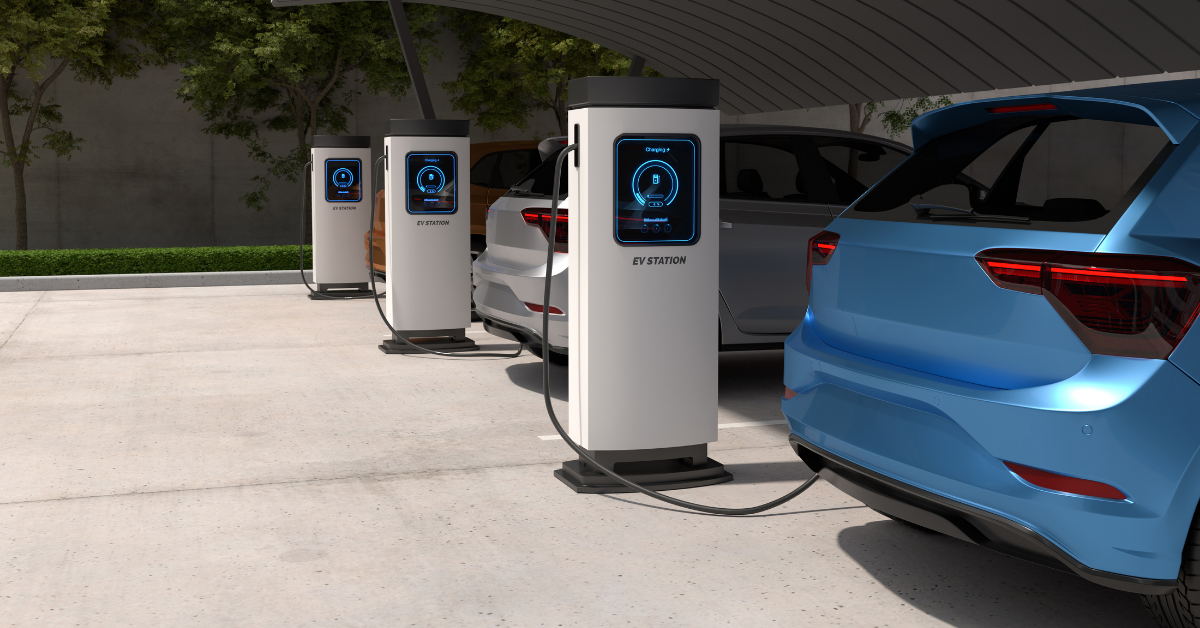
The electric vehicle boom has continued in recent years, with many car owners considering taking advantage of the government's "one-for-one" tax incentive to upgrade to an environmentally friendly and energy-efficient new car. However, this important policy promoting electrification will end on March 31, 2026, at which time the tax benefits will be significantly reduced. What changes will occur for car owners, dealerships, and the entire electric vehicle market after the "one-for-one" program ends? And should one act now during this transition period?
The Hong Kong government's "one-for-one" tax relief for electric vehicles has now been extended to March 31, 2026, so the short-term impact is mainly "fewer benefits" rather than "complete disappearance"
Impact on car owners
The actual price of a newly purchased electric vehicle will increase because the first registration tax reduction limit has been lowered from NT$97,500 to approximately NT$58,500 (general reduction) and the limit has been lowered from NT$287,500 to NT$172,500 (for vehicles eligible for a one-for-one trade-in)
Electric private vehicles priced over $500,000 will no longer be eligible for tax relief
Once the program is fully completed and there are no tax breaks, the cost of new electric vehicles will increase significantly, and many car owners who originally planned to "replace their cars" will choose to continue using their existing gasoline-powered vehicles or wait and see. Industry experts estimate that the number of newly registered electric vehicles will "decrease significantly"
Impact on the electric vehicle market
The "one-for-one" trade-in program has been a key driver of electric vehicle sales in recent years. If the program ends, the demand for electric vehicles will slow down significantly. Dealers may increase promotional efforts (such as discounts and free charging services) to compensate for the attractiveness of the tax incentives. The sudden cancellation of the program would have a "significant impact" on the entire industry
In the past, whenever the market worried that the program would not be extended, the "one-for-one" quota would be driven up, reflecting that many buyers were "driven by the discount" rather than purely by the attractiveness of the car itself. Once the discount ended, this kind of demand would evaporate rapidly
Impact on related industries and infrastructure
The electric vehicle industry chain, including charging facilities, insurance, maintenance and battery recycling, all depend on stable new car growth; a sudden tightening or termination of policies will weaken investment intentions and slow down the pace of deployment and expansion
If the government no longer uses tax incentives as its primary tool, it may need to make more practical improvements in areas such as "charging networks," "roadside charging stations," and "public charging pricing structures" in order to maintain the pace of electric vehicle adoption
Impact on environmental and transportation policies
The original intention of the "one-for-one" policy was to encourage car owners to switch to electric vehicles without increasing the overall number of private cars, thereby reducing the number of gasoline-powered vehicles on the road. With the end of the promotion, this incentive has decreased, and the replacement speed of gasoline-powered vehicles may slow down, affecting the progress of emission reduction targets
If the government wants to continue promoting electric vehicles, it may have to shift to stricter policies on gasoline-powered vehicles, such as tightening the first registration tax reduction, restricting high-emission vehicles, or strengthening the electrification of commercial vehicles and public transportation to compensate for the impact of the slowdown in the rate of private car replacement
If you originally planned to switch to an electric vehicle within 1-2 years, the current arrangement until March 31, 2026 is a transition period, so you can calculate it carefully in advance:
Are there any eligible used vehicles (6 years or more, number of days of license, etc.)?
How much cheaper is it after the tax easing compared to "assuming no discounts at all"?
If you anticipate that the government may no longer offer the same level of discounts, and you already need to change your car, it is usually more cost-effective to act during the planning period than to act after the discounts have completely expired
AWM provides quotes from over 65 insurance companies.
If you're considering an electric vehicle, remember to request a car insurance quote firstto plan your insurance costs reasonably and avoid exceeding your budget. AWM, a car insurance expert, integrates plans from over 65 insurance companies and can provide you with instant quotes for comprehensive and triple coverage. After submitting complete documents and payment,you can receive a temporary policy in as little as 30 minutes, allowing you to drive with peace of mind. Want to learn more? Contact AWM now for a quote.
