

Preparing for the Standard Chartered Marathon 2026: A Complete Guide to Preventing Common Running Injuries
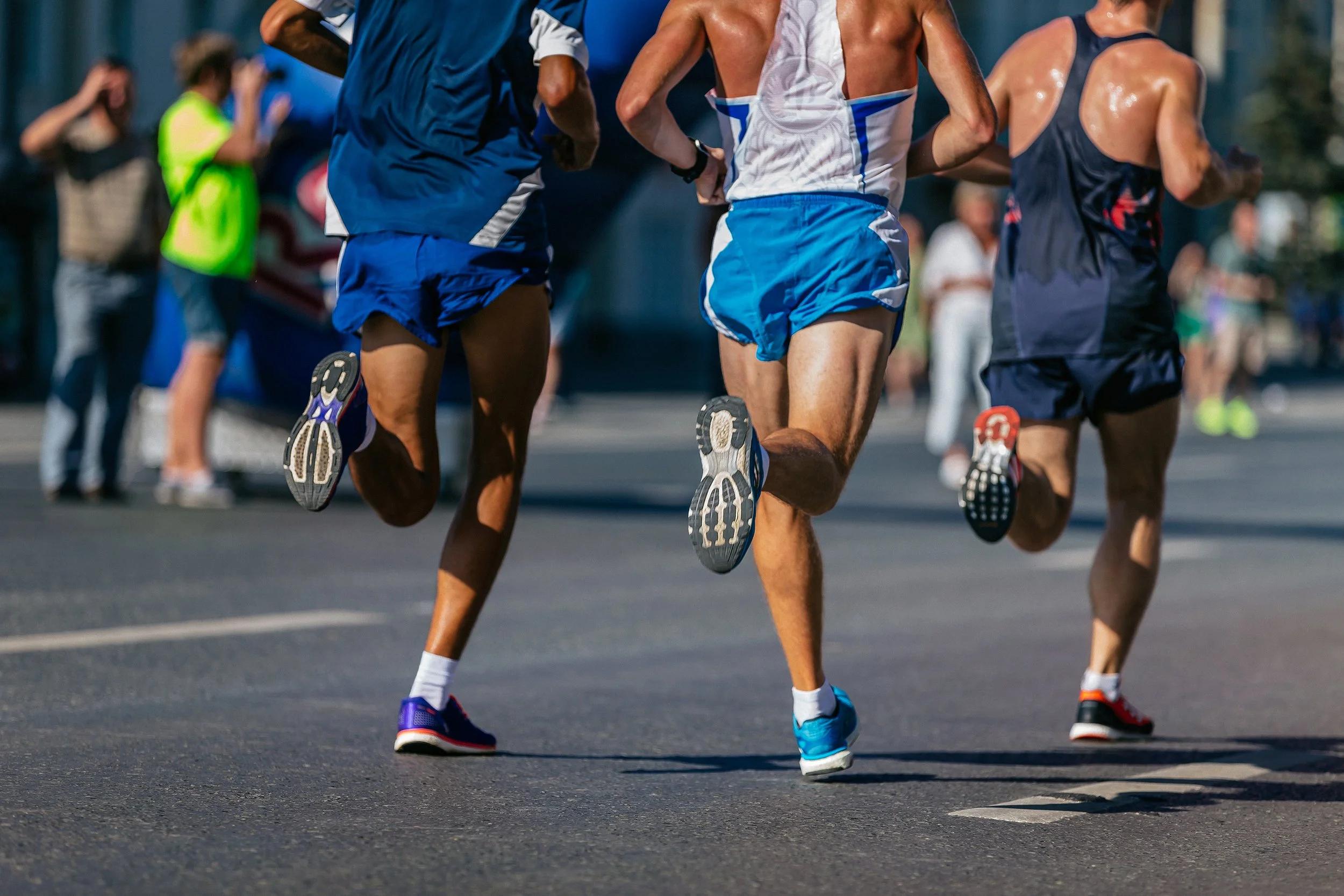
The Standard Chartered Hong Kong Marathon is one of Hong Kong's largest annual long-distance running events. The next race will be held on Sunday, January 18, 2026. Regardless of the event, all athletes are undoubtedly training intensively. Marathons involve long distances and repetitive training, which puts a lot of cumulative stress on the joints and tendons of the lower limbs, making them prone to injuries, especially to the knees, ankles, and calf tendons/bones| Common injuries | Introduction |
|---|---|
| Runner's knee (patellar joint syndrome) | Anterior knee pain, which worsens when going up or down stairs, downhill, or during prolonged running, is often related to excessive running volume, weakness in the quadriceps/gluteal muscles, and poor running form |
| Achilles tendinitis | Soreness above the ankle (Achilles tendon) and stiffness in the calf are common after a sudden increase in running volume or incorrect foot posture |
| Plantar fasciitis | Stinging pain in the heel or arch of the foot is often caused by standing for long periods of time, running too much, or insufficient support from footwear |
| Medial tibial pressure syndrome (shin pain/shin clamping) | Pain in the tibia on the inside of the lower leg, initially painful when running, relieved by rest, but can progress to a stress fracture if it worsens |
| Ligament or fracture injury | It is mostly caused by falls or accidental collisions, resulting in small cracks in local bones such as the tibia and instep. The local pain persists and gradually worsens when running or walking, and sometimes swelling occurs |
| Muscle strain and fatigue injury | Micro-tears occurred in the quadriceps and calf muscles due to repetitive loading |

Prevention is better than cure
In running training, it's important to gradually increase training volume, maintain correct running form, improve muscle strength and flexibility, and choose appropriate equipment and routes. Warming up, stretching, resting, and nutritional supplements can effectively prevent sports injuries and keep the body in optimal condition
- Control training volume:Gradually increase the weekly mileage and intensity. It is generally recommended that the total weekly volume increase should not exceed about 10% to avoid sudden fluctuations.
- Correct running form:
Pay attention to your landing method and avoid taking excessive steps
Keep your core muscles stable to reduce pressure on your knees and ankles
- Improve muscle strength and flexibility:
Core, gluteal, quadriceps, and calf muscle training can reduce stress on the knee joint and Achilles tendon
Dynamic warm-up before running and stretching after running improve muscle elasticity
- Pay attention to equipment and routes:
Wear suitable running shoes and replace them regularly. If you have flat feet, consider using arch support pads
Use compression stockings or protective gear to reduce the load
To avoid long-term high-intensity training only on hard surfaces (such as concrete), alternate between running tracks, grass, etc
- Warm-up and stretching
Do dynamic warm-up before running and static stretching after running
Incorporate strength training (especially for the glutes and core muscles)
- Recovery and rest
Get enough sleep, and apply ice or massage after training
Appropriate cross-training (swimming, cycling) reduces repetitive load
- Nutrition and hydration replenishment
To avoid glycogen depletion (the plateau phase), replenish energy gels and water as needed

Choose the right insurance product
Sports-specific accident insurance is designed for sports enthusiasts or participants, covering accidental injuries that may occur during sports activities. This type of insurance differs from general accident insurance, as it is specifically designed to address the risks associated with sports
Common coverage
Accidental death or disability: permanent disability or death caused by a sports accident.
Medical expense reimbursement: covers treatment costs for fractures, sprains, muscle tears, etc.
Hospitalization allowance: A daily allowance is provided when hospitalization is required due to sports injury.
Surgical costs: such as ligament repair and orthopedic surgery.
First aid and ambulance costs: Emergency hospital transport required during competition or training.
You can purchase a one-year coverage policy or insure against a single promotion. AWM partners with many top insurance companies. For further information, please contact us for a free quote!