

The Impact of Middle East Conflict on Shipping-Related Insurance Products (Part 2)
The Middle East conflict has caused shipping risks to rise sharply. Last time, we explained how shipping companies can “avoid insurance risks” during the Middle East conflict. This week, we will further explain the situation faced by operators other than shipping companies
The main types of insurance affected
Hull risk and hull war risk:
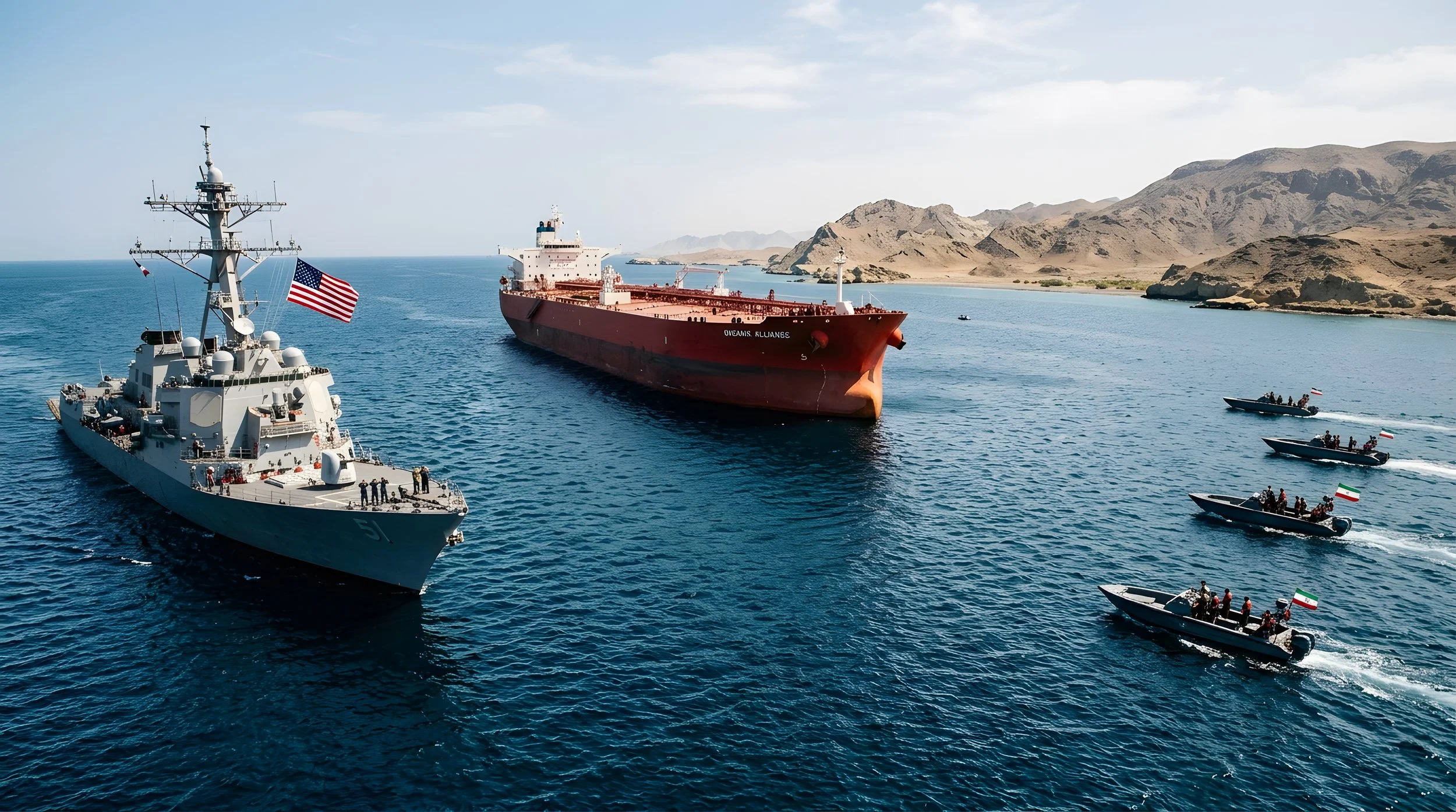
Ships navigating high-risk waters such as the Strait of Hormuz (Note: translated as the Strait of Hormuz in mainland China and Taiwan) and the Persian Gulf have seen a significant increase in hull war risk premiums in a short period of time, with some even suspending coverage for specific waters altogether
Liability insurance (Owner's Liability Insurance (P&I), including war liability):
Several international insurance associations have announced the cancellation or cessation of war risk coverage for the Persian Gulf and waters near Iran. Shipowners are required to seek alternative, higher-rate options to maintain full liability protection
Maritime transport-related military risks/additional war risks:
Insurers may revise prices based on factors such as route, ship registration, and type of cargo. When the conflict escalates, premiums may be adjusted in real time "per voyage," and in some cases, outright rejection may occur in extremely high-risk areas
To diversify Middle East shipping insurance risks, companies should take a three-pronged approach: "operations, insurance structure, and finance and contracts," rather than relying solely on a single war insurance product
I. Operational Level: First, mitigate "exposure," then discuss insurance
Dispersed shipping routes and ports
Reduce voyages through high-risk waters such as the Strait of Hormuz and the Persian Gulf, and take detours or alternative loading and unloading ports whenever possible, so as to minimize the number of voyages that require additional war risk premiums
For the same customer/source of goods, try not to rely entirely on a single Middle Eastern port or a single time window for concentrated shipments; instead, ship in batches and from different ports
Distributing capacity and carriers
Instead of concentrating all cargo volume on one or two shipping companies or a single key vessel, a mix of different shipowners and vessel types (liners, charterers) can be used to reduce the impact of a single incident
Key cargo should not be all scheduled on the same voyage to avoid a single major disaster caused by a single war incident
II. Insurance Structure: Decentralizing Insurers and Coverage Layers
Decentralize insurers and the market
Do not consolidate all hull war risk, P&I war liability, and cargo war risk into one insurance company or one P&I Club (Note: The Chinese translation can be translated asShipowners Mutual Insurance Association,which is a mutual insurance organization that mainly provides protection and compensation insurance for its shipowner members, allowing shipowners to obtain broader risk protection, such as third-party liability insurance, etc.).
For the most critical vessels or high-value cargo, different insurers are deliberately arranged to avoid the entire fleet being "uninsurable" if a certain insurance company suddenly withdraws from the Middle East market
Make good use of different levels of protection
The tiered structure of hull insurance, hull war insurance, P&I and its war liability, cargo insurance, and political violence/strike insurance distributes different types of risks to different policies and insurers
Setting appropriate deductibles and retention tiers allows for the retention of high-frequency, low-amount losses, enabling insurance to focus on disaster losses caused by war, reducing premium pressure, and making it easier to discuss coverage capacity
III. Finance and Contracts: Distributing Costs and Legal Risks
Contractual risk and cost diversification
Charter contracts, bills of lading, and sales contracts should clearly stipulate who will bear the war-related additional insurance premiums, at what level the freight can be adjusted or the route changed, and the termination/modification clauses when war insurance is "unavailable"
The "War Risk Surcharge" mechanism is designed for long-term contract customers, which distributes premium fluctuations among multiple parties through a formula, rather than having a single company absorb them all
Decentralizing credit and supply chain risks
Trade credit insurance, accounts receivable insurance, and other similar insurance policies can mitigate the financial consequences of buyer defaults, port closures, and delivery delays caused by war, thus preventing all losses from returning to the shipping policy
The supply chain involves multiple sourcing sources and export ports, along with various insurance arrangements, ensuring that if any route or country encounters a problem, only part of the business will be affected
IV. Risk Monitoring and Dynamic Adjustment
Establish a "warning sign" for geopolitics and the insurance market
Regularly track: JWC's list of high-risk sea areas, P&I Club's Middle East war risk bulletins, etc
Set trigger points: such as war insurance premiums increasing by a certain percentage, or a certain area being completely suspended from insurance, which will automatically initiate decisions to divert routes, reduce flights, or suspend flights
If you're looking for professional and reliable shipping insurance, AWM offers a diverse range of flexible protection plans to help you operate with peace of mind. Regardless of your business size, AWM's professional team will strive to create the most suitable protection plan for you. Want to know how to purchase or learn more? Contact us today