

The impact of Middle East conflict on shipping-related insurance products (Part 1)
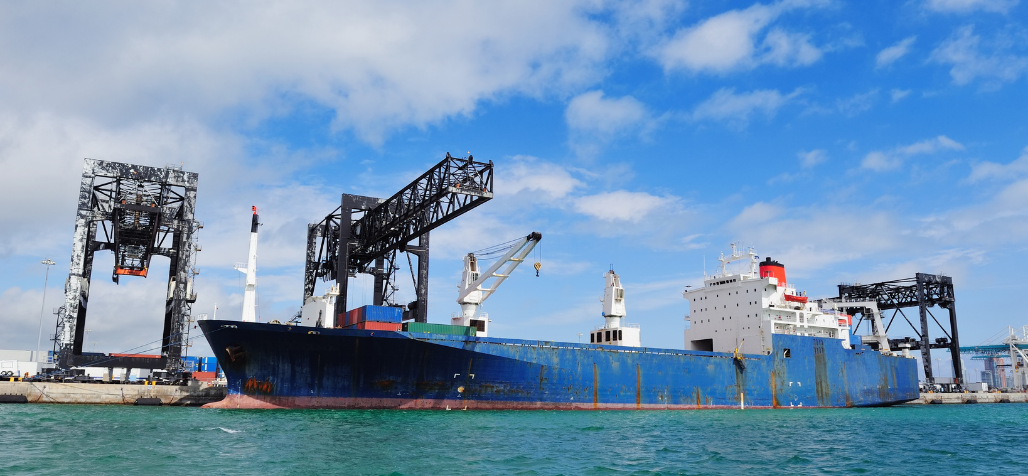
The Middle East conflict has led to a sharp increase in shipping risks. The direct impact on maritime insurance is concentrated in "soaring premiums, tightening of coverage and even refusal of coverage", as well as a chain reaction on freight, contract sharing and risk management terms
This time, we will explain how shipping companies can “avoid insurance risks” during Middle Eastern conflicts. Shipping companies need to manage three things: whether they can buy war-related insurance, the level of premiums they can afford, and how to control the remaining risk if they cannot buy insurance or the coverage is insufficient
1. Route and operational strategy adjustments
• Avoid areas designated as high-risk/excluded by the London Joint War Committee (JWC) (such as the Persian Gulf, the Gulf of Oman, etc.) as much as possible, and directly reduce the number of voyages that need to be insured for war risk by taking detours, changing ports, or suspending some Middle Eastern routes
• If it is necessary to enter war zones such as the Strait of Hormuz (Note: translated as the Strait of Hormuz in mainland China and Taiwan) or the Persian Gulf, the "whether war insurance can be purchased and its rate" should be included in the economic assessment of the voyage. It is better to reduce the number of flights or ports of call than to force the way in if there is "insufficient insurance or unreasonable premium"

2. Key performance indicators for evaluating insurance providers
Underwriting intention and renewal stability
Check whether a cessation of war safeguards has been declared for the Persian Gulf, Iran, and adjacent waters, or whether it is limited to certain types of vessels; for example, several of the 12 shipowners' mutual insurance associations have already suspended war risk safeguards for the Persian Gulf theater
Prioritize insurers who continued to provide coverage during the Russia-Ukraine conflict and the Red Sea crisis, rather than those who frequently "entered and exited the market."
Claims and professional service capabilities
Does the company have a dedicated maritime claims team and 24/7 incident support, capable of coordinating with the government and port authorities in the war zone?
Does the company offer risk consulting services, such as interpreting the JWC high-risk area list and assisting in designing flight routes and terms, so that you not only buy an insurance policy, but also professional judgment?
3. Areas where the policy terms need special comparison
Coverage and Exclusions
The actual war risks covered include: war, civil war, rebellion, acts of terrorism, mines, drone attacks, blockades, detention, etc., and some only cover certain scenarios
Important exceptions: nuclear, biological and chemical weapons, specific sanctioned countries (such as Iran), and whether there is no compensation for violations of sanctions or embargoes, which is particularly sensitive in the context of the Middle East situation
Rate mechanism and adjustment method
Is the war risk levied annually or on a per-voyage basis? How often can the rate be adjusted as the conflict escalates, or is it possible for it to fluctuate daily or even hourly?
Does it have a "rate cap/notification period" clause, such as requiring you to give several days' notice if the rate exceeds a certain percentage, giving you time to adjust routes and contracts?
Cancellation and Suspension of Coverage Terms
Under what circumstances can an insurance company unilaterally terminate war coverage in a certain region (e.g., JWC terminates coverage immediately after designating a certain sea area as a high-risk war zone), and do you have a transition period or option?
In the event of refusal or termination of insurance, it is necessary to determine whether the signed voyages and vessels en route are still covered until they leave the war zone, in order to avoid being "uninsured halfway through the journey"

4. Strengthen security measures to enhance insurability and bargaining power
• Enhance ship and voyage safety:
o Follow military escort guidelines and choose times with escort or relative safety for passage
o Strengthen ship protection, communication and monitoring equipment, and establish standard operating procedures (SOPs) to deal with scenarios such as missile attacks, drones, and maritime blockades
• Present your security investment in quantifiable terms to insurance companies to secure better underwriting terms or premium reductions, and avoid being categorized as a high-risk customer
5. Contractual and legal risk control
• Specify clearly in the charter party and bill of lading terms:
o Definitions of events such as war, armed conflict, and blockade, and force majeure clauses
o A mechanism that allows for legal rerouting, suspension, or termination of contract performance in the event of government embargoes, waterway closures, or insurance refusal to cover, reducing subsequent compensation disputes
• Financial institutions (financing banks, leasing companies) should disclose changes in the insurance market in advance, and negotiate to adjust insurance obligations terms when necessary, so as to avoid technical breach of contract due to the objective fact that "war insurance is simply unavailable"
6. Risk monitoring and decision-making mechanism
• Establish internal monitoring of "geopolitics and the insurance market":
o Regularly track the situation in the Middle East, military developments, changes to the JWC high-risk list, and military insurance rate indicators
o Set risk tolerance and trigger points: For example, when the risk rate in a certain sea area exceeds a certain percentage of the ship's value or when the insurer refuses to provide coverage for all vessels, automatically stop voyages in that area
7. Further risk diversification you can achieve
Instead of concentrating all war risks on a single supplier, this disperses the risk of concentrated insurer risk
Use different war risk insurers for key routes or high-value vessels to avoid paralyzing the entire fleet operation if one company suddenly stops insuring them
If you're looking for professional and reliable shipping insurance, AWM offers a diverse range of flexible protection plans to help you operate with peace of mind. Regardless of your business size, AWM's professional team will strive to create the most suitable protection plan for you. Want to know how to purchase or learn more? Contact us today