

Cargo Insurance: Protect your goods beyond the ocean
In modern international trade, the transportation of goods is not limited to the sea, but also includes land, air, and other modes of transport. Regardless of whether your goods are transported by sea, air, or land, they face various risks, such as damage, loss, or accidents. Therefore, marine cargo insurance has become an important tool for protecting the safety of your goods. This article aims to introduce you to the basic concepts, scope, and importance of marine cargo insurance in Hong Kong

What is cargo insurance?
Marine Cargo Insurance is an insurance product specifically designed for international and local cargo transportation. It applies not only to sea freight but also covers cargo risks associated with air, land, and multimodal transport. Its main purpose is to provide protection against potential loss or damage to goods throughout their journey from origin to destination
Applicable business types
Cargo insurance is applicable to a wide range of industries and business types, especially in Hong Kong, an international trading hub. Here are some of the main target groups:
Manufacturing industry: Ensure the safety of raw materials and finished products during transportation.
Transportation industry: Providing logistics companies with assurance during the transportation of goods.
Retail industry: Protect imported or distributed goods from loss.
Construction industry: Ensuring the safe transportation of building materials and equipment.
Numerous other industries: Applicable to any business involving the transportation of goods.
Infrastructure Projects (Project Transportation Insurance): Provides comprehensive coverage for large-scale infrastructure projects, including losses due to adverse consequences.
Freight services: such as freight forwarders arranging cargo transportation insurance for customers to ensure that customers' goods are properly protected.
SMEs, multinational corporations, exporters and importers: Regardless of the size of the enterprise or the scope of business, they can choose a suitable insurance plan according to their needs.
These applicable groups cover the common service targets of local Hong Kong and other cargo insurance providers, ensuring that different industries and businesses can find suitable coverage
Different types of risk
The risks that may be encountered during the transportation of goods include, but are not limited to:
- Natural disasters:such as storms, floods, or earthquakes.
- Human-caused risks:such as theft, robbery, or intentional damage.
- Transportation accidents:such as ship collisions, cargo falling, or fires.
- Other special risks:such as war, strikes, or political risks.
Why is cargo insurance necessary in Hong Kong?
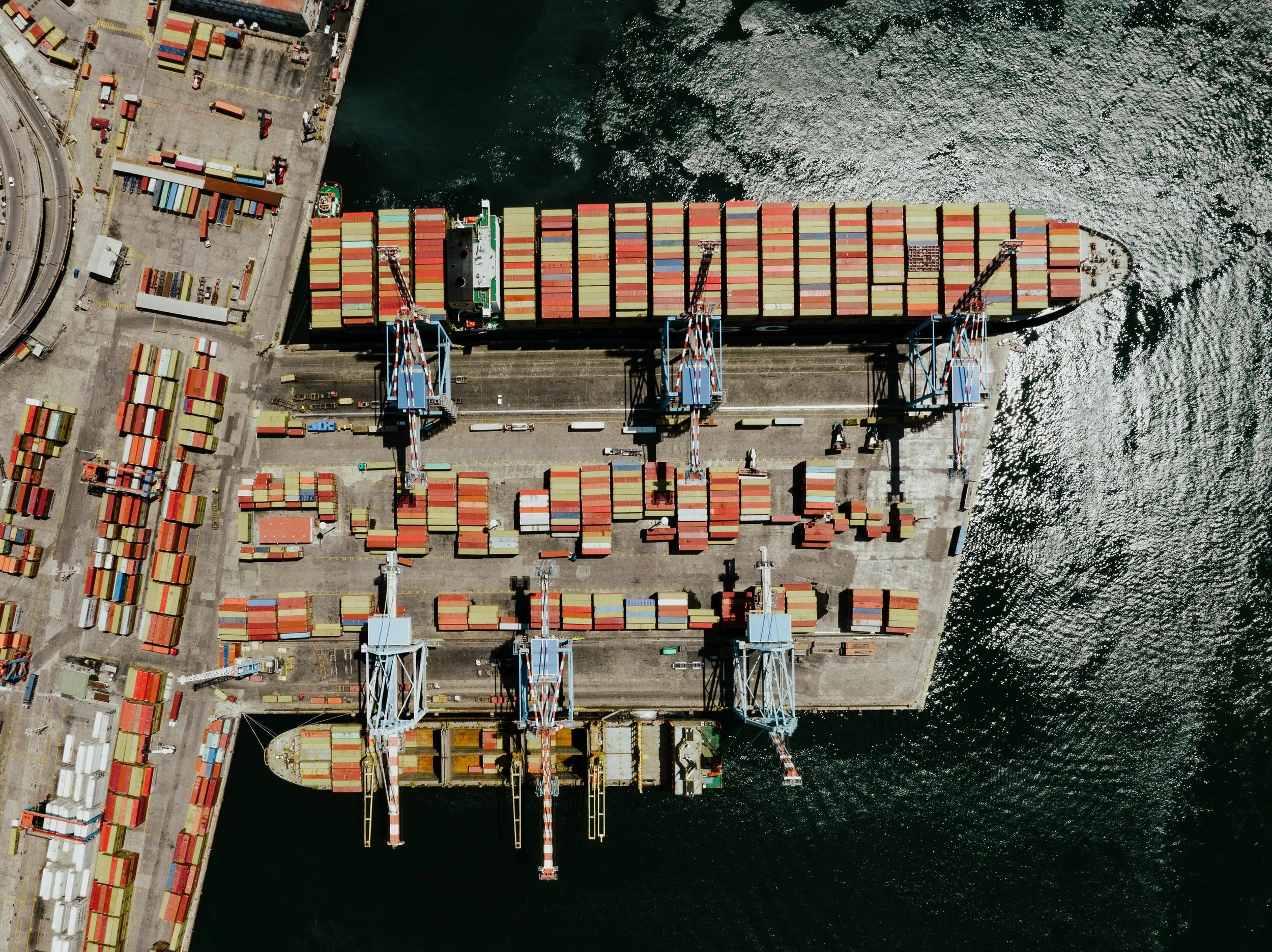
As an international trade and logistics center, Hong Kong sees a large volume of goods imported and exported daily via various modes of transport. Due to this high volume of goods movement, the associated risks are also increased, making cargo insurance particularly important in Hong Kong
Three major advantages of cargo insurance
Comprehensive protection:Covers risks throughout the entire journey from the point of origin to the destination, including risks during short-term storage.
Flexibility:We offer a variety of insurance terms to suit customer needs, such as single-transportation insurance or annual policies.
Reduce economic losses:In the event of an accident involving goods, insurance can effectively share the losses and protect the company's financial stability.

Key terms of cargo insurance
Insurance terms are typically drafted according to international practice, such as the Institute Cargo Clauses (ICC). The following are common types of terms:
ICC(A):Provides the most comprehensive protection, covering all risks.
ICC(B):Covers specific risks, such as fire, explosion, ship stranding, etc.
ICC(C):Covers only a limited range of basic risks and is applicable to low-risk goods.
In addition, there are specific clauses addressing the risks of war (Institute War Clauses) and strikes (Institute Strikes Clauses)
How to determine who is responsible?
In international trade, the risks and insurance liabilities associated with the transport of goods are typically defined according to Incoterms. These terms clearly stipulate the division of responsibilities between the buyer and seller during the transport of goods. The following are common Incoterms and their corresponding insurance liabilities:
Ex Works (EXW):
The seller is only responsible for delivering the goods to the buyer at the factory or designated location. The risk transfers upon delivery of the goods to the buyer. The buyer assumes all transportation and insurance risks from the factory to the destination.Free on Board (FOB):
The seller is responsible for transporting the goods to the designated port and loading them onto the ship. The risk transfers to the buyer when the goods pass the ship's rail. The buyer is responsible for the transportation and insurance risks from loading to the destination.Free Carrier (FCA):
The seller is responsible for delivering the goods to the carrier designated by the buyer, and the risk transfers when the goods are delivered to the carrier. The buyer assumes all subsequent transportation risks and insurance responsibilities.Cost and Freight (CFR):
The seller is responsible for paying the cost of transporting the goods to the port of destination, but the risk transfers to the buyer when the goods cross the ship's rail. The buyer is responsible for arranging insurance from the date of shipment.Cost, Insurance and Freight (CIF):
The seller is responsible for paying the freight and insuring the goods to the port of destination. The risk transfers to the buyer when the goods cross the ship's rail. The seller is required to insure the goods, but the coverage is usually limited to basic risks. The buyer may purchase additional insurance as needed.
Key points in defining responsibility:
Timing of Risk Transfer: Depending on the terms, the timing of the risk transfer (such as when the goods cross the ship's rail or are handed over to the carrier) determines who needs to bear the subsequent transportation risks.
Insurance Liability: Under terms such as CIF, the seller is required to insure the goods, but the coverage may be limited. The buyer should assess whether additional insurance is needed.
Negotiation between the two parties: The buyer and seller can further clarify the insurance responsibilities according to the contract to avoid unclear responsibilities.
By understanding these terms, both the buyer and seller can more clearly define the attribution of responsibilities and ensure that the risks during the transportation of goods are properly managed
What goods can be insured?
Although cargo insurance has a wide range of coverage, certain types of goods may require special consideration or be refused coverage, such as:
Suitable types of goods for insurance
Category: General non-sensitive goods
The following items are covered under warranty, provided they are non-fragile, non-dangerous, and non-perishable
Textiles: Fabrics, textile materials
Clothing: Clothes, Ready-to-wear
Cosmetics: Beauty and personal care products
Furniture: Home or office furniture
Plastic products: Items made of plastic materials
Industrial equipment: industrial tools and machinery
Machinery and its parts: mechanical components and equipment
Description: Goods that are not fragile, not easily broken, not dangerous, not easily perishable, not valuable, and not prone to rust are suitable for storage in a container.
Goods requiring additional evaluation
Category: Hard Goods
Coal: Coal Mine
Metal ores: iron ore, copper ore, etc.
Oil and gas (including guaranteed production): Oil and natural gas (with guaranteed shipments)
Chemicals: All kinds of chemical raw materials or products
Category: Soft Goods
Milk: dairy products
Fruits and Vegetables: Fresh Agricultural Products
Cotton: Natural fiber
Rubber: Natural or synthetic rubber
Category: Temperature-controlled goods
Temperature-controlled goods: Goods that require storage at specific temperatures (such as frozen or refrigerated items).
Category: Valuables
High-end fashion: premium clothing and accessories
Precious metals: gold, silver, etc.
Microchip: Electronic component
Mobile devices: mobile phones, tablets, etc.
Category: Fragile Goods
Fragile items: Glassware, ceramics, and other easily broken goods.
Description: Due to their special characteristics (such as perishability, danger, high value, or high requirements for storage and transportation), these types of goods require additional assessment of insurance conditions and feasibility.
Special goods subject to insurance restrictions
Category: High-value items
Marine species: cash, gold bars, jewelry
Category: Live animals
Livestock/breeding animals: live animals used for transportation or breeding.
Category: Perishable Goods
Fish catch: Freshly caught fish
Fish meal, peanuts, soybeans: processed or unprocessed perishable goods
Category: Dangerous Goods
Explosives, Weapons and Ammunition: Dangerous and Flammable Materials
Category: Miscellaneous/Non-standard goods
Empty container (without contents): A shipping container without any cargo.
Consequence loss policy: Financial products related to insurance.
Inventory turnover insurance policy: Warehousing or inventory turnover insurance policy
Motor vehicle goods: goods transported by vehicles or motor vehicles
How to choose the right cargo insurance?
The following points should be considered when choosing suitable insurance:
Transportation routes: The level of risk varies in different regions, and additional coverage is required for war-torn or politically unstable areas. In addition, insurance can cover the transportation of goods originating from or arriving in Hong Kong, Macau, and mainland China, providing broader regional coverage.
Nature of goods: Select insurance terms based on the value, nature, and mode of transport of the goods.
Insurance coverage: Ensure that the insurance coverage covers the actual value of the goods and additional costs.
Conclusion
In a globalized business environment, the safety of cargo transportation is paramount. Cargo insurance not only provides financial security for businesses but also enhances customer confidence. As a professional insurance brokerage, we are committed to providing our clients with the most suitable insurance solutions to ensure your goods receive comprehensive protection in every shipment
If you have any questions or needs regarding cargo insurance, please feel free tocontact us. We will provide you with professional advice and services to help you conduct international trade without any worries.