

Don't be alarmed by a sudden death! One article to teach you how to deal with broken cars on highways/tunnels + full explanation of towing services
A sudden car breakdown while driving is one of the most worrying situations for all drivers, especially on highways or in tunnels, where it can easily lead to safety risks. Therefore, in addition to regular vehicle maintenance, understanding the correct handling methods for car breakdowns in different environments is also crucial. This article compiles a series of practical tips for dealing with unexpected car breakdowns, helping you remain calm in emergencies and ensure your own and others' safety
1. What should be the first thing to do when a vehicle suddenly breaks down?
Whether on city roads, highways, or in tunnels, if your vehicle suddenly malfunctions, take the following actions immediately:
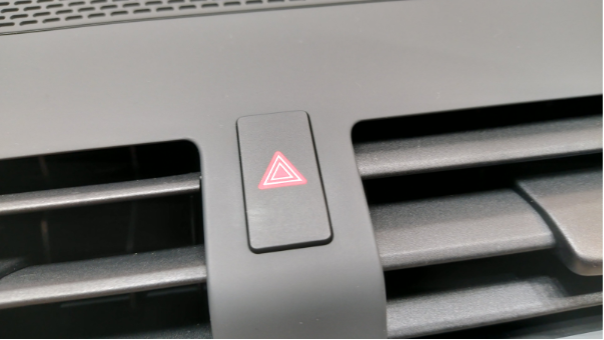
Immediately turn on the hazard warning lights to alert other drivers
Move your vehicle off the road as soon as possible and park it in a safe area such as a buffer zone, shoulder, or sidewalk
Turn off the engine, get out of the car, and take your mobile phone and other essentials to a safe place to wait for assistance
Call 999 using your mobile phone to report the emergency, or contact towing and roadside assistance services
If a warning triangle is available, it should be placed at an appropriate distance behind the vehicle to enhance its warning effect (especially on roads where the speed exceeds 50 kilometers per hour)
Never attempt to inspect or repair a broken-down vehicle in the roadway, and do not stand in front of or behind vehicles to avoid being hit by a car behind you
⚠️ If you have pets in your car, it is recommended to leave them inside while ensuring proper ventilation
2. How to accurately report the location?
When your car breaks down and you need to seek help, the most important thing is to know your location. You can confirm your location using the following methods:
Use Google Maps or your phone's map function to get real-time location information
Look for the "mileage markers" along the road; they will display:
Trunk line number (e.g., "1" represents trunk line number 1)
Driving direction (N represents northbound, S represents southbound, etc.)
The distance in kilometers from the starting point (e.g., "20.0" means 20 kilometers)
This information can greatly help the police, towing companies, or insurance companies to accurately locate your position

Image source: Transport Department
3. How to deal with a car breakdown on the highway
When encountering a vehicle breakdown on the highway, extra caution should be taken in handling the situation:
Turn on the hazard warning lights immediately
Drive your vehicle onto the shoulder whenever possible to avoid obstructing traffic
Everyone should quickly leave the vehicle and move to a safe area outside the guardrail
Pick up your phone and call the police or ask a tow truck company for help
Do not linger between the fast and slow lanes, and never attempt to walk along the lanes
💡Tip: Emergency call booths are available on some sections of highways and can also be used
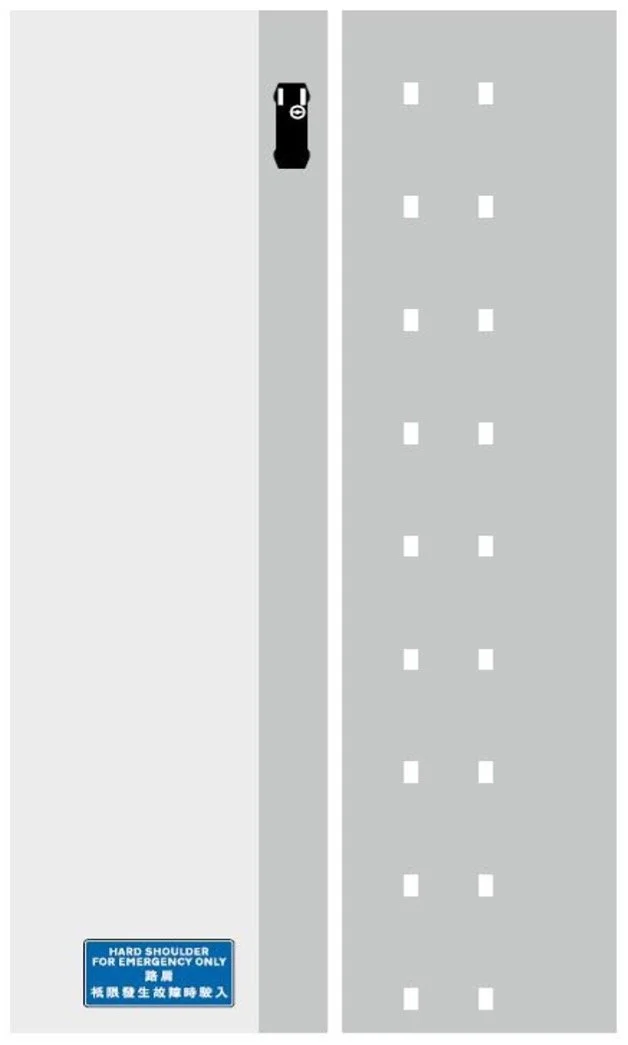
Image source: Transport Department
4. Emergency procedures for a broken-down vehicle in a tunnel
The tunnel is narrow and has limited ventilation, so if a vehicle breaks down there, extra care must be taken to handle the situation
Turn off the engine and turn on the hazard warning lights
Stay calm, remain in the car and fasten your seatbelt
Use your mobile phone to call the police or press the emergency call button inside the tunnel
Follow the instructions of the tunnel control center or on-site personnel
If there is smoke or fire, immediately abandon the vehicle and evacuate to a safe location in the opposite direction of the smoke
🔥Important Note: Do not attempt to repair or push the vehicle inside the tunnel, as this may increase the risk of danger
5. How to protect yourself if your car breaks down in bad weather?
A car breakdown in heavy rain, strong winds, or other weather conditions with low visibility is even more dangerous. Immediate action should be taken:
Turn on the hazard warning lights to improve visibility
Wearing a brightly colored or fluorescent raincoat will increase your visibility
Once it is safe to leave the vehicle, find shelter and call the police or contact for assistance
If visibility is poor, do not linger on the road to avoid being hit by a vehicle behind you
✅ It is recommended that car owners keep reflective clothing and simple rain gear in their cars for emergencies
6. Car insurance basics: Will the insurance company compensate if an accident occurs in severe weather?
This varies depending on the insurance company's terms. If the insurance company believes that you knowingly drove in an unsafe manner and an accident occurred, they may reduce or refuse compensation. For example:
Travel during the red/black typhoon period
Despite landslide warnings, the driver still passed through the high-risk area
If you can provide a reasonable explanation (such as needing emergency medical care), the insurance company may handle the matter at its discretion. Therefore, it is very important to understand the details of your car insurance policy
7. Comprehensive car insurance plan: Does it include emergency towing service?
Many Hong Kong car owners are unaware that some insurance companies have already included "24-hour roadside assistance" in their coverage, for example:
Emergency repairs for dead batteries and flat tires
Towing service
Emergency refueling or lock-opening support
📌 Reminder: Not all insurance plans include this service. You should read the terms and conditions carefully or consult an insurance advisor before purchasing