

The Iraq War | What can travel insurance cover if you encounter war while traveling abroad?
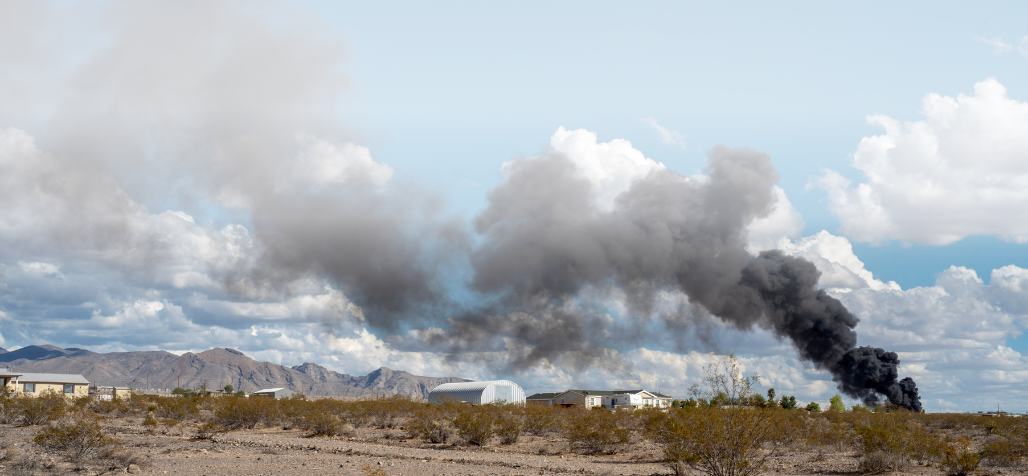
The world has been unstable in recent years, and sudden wars, armed conflicts or political unrest often catch travelers by surprise. Flights are canceled, airspace is closed, hotels are suspended, and even temporary evacuation is required - in these circumstances, can travel insurance help?
Most travel insurance (whether single or full-year plans) are"exclusions" in the event of "war, armed conflict, and terrorist attacks."Even if you are insured, related losses will usually not be compensated. Only a handful of high-end or specially purchased plans may cover terrorist attacks or evacuation support.
What does regular travel insurance typically not cover?
Flight cancellations and delays are caused by war or armed conflict
Additional expenses such as emergency evacuation due to war, hotel stays, and extra transportation costs
Personal injury or death and medical expenses caused by war are not covered
There is a chance to be insured
If you seek medical treatment locally forunrelated to the war, the policy will usually remain in effect.
Some insurance policies have special clauses regarding "trip cancellation" or "trip changes." If the clauses explicitly state that expenses already paid but not refundable can be compensated in the event of sudden war at the destination, then there is a chance of being covered
Some insurance policies have additional conditions for travel warnings and trip cancellations, but these should be read individually and cannot be generalized
Terrorist Attacks: Some plans offer limited coverage, such as accidental injury or death or medical expenses resulting from terrorist attacks, but usually do not cover trip cancellations or property losses
Evacuation support: A few premium plans or corporate group insurance policies may offer "emergency evacuation" or "political riot evacuation" services, but these must be purchased separately
Why travel insurance excludes war risks?
Because war is a large-scale, sudden, and unpredictable risk with a wide scope and potentially very high potential losses, it is difficult for insurance companies to accurately price and diversify risks using typical travel insurance premiums
War, along with regular flight delays and lost baggage, are considered "systemic risks" that can simultaneously affect a large number of passengers and generate a large number of claims once they break out
If a war breaks out, insurance premiums will increase significantly, potentially rendering regular travel insurance impractical
War can trigger a chain of problems, such as the closure of airspace, airport shutdowns, evacuations, and hotel closures, with losses often far exceeding those of ordinary tourist accidents
Before buying insurance, the most practical thing to do is to avoid "known risks" and "high-risk areas", because once the destination has become hot, most policies will exclude related losses from coverage
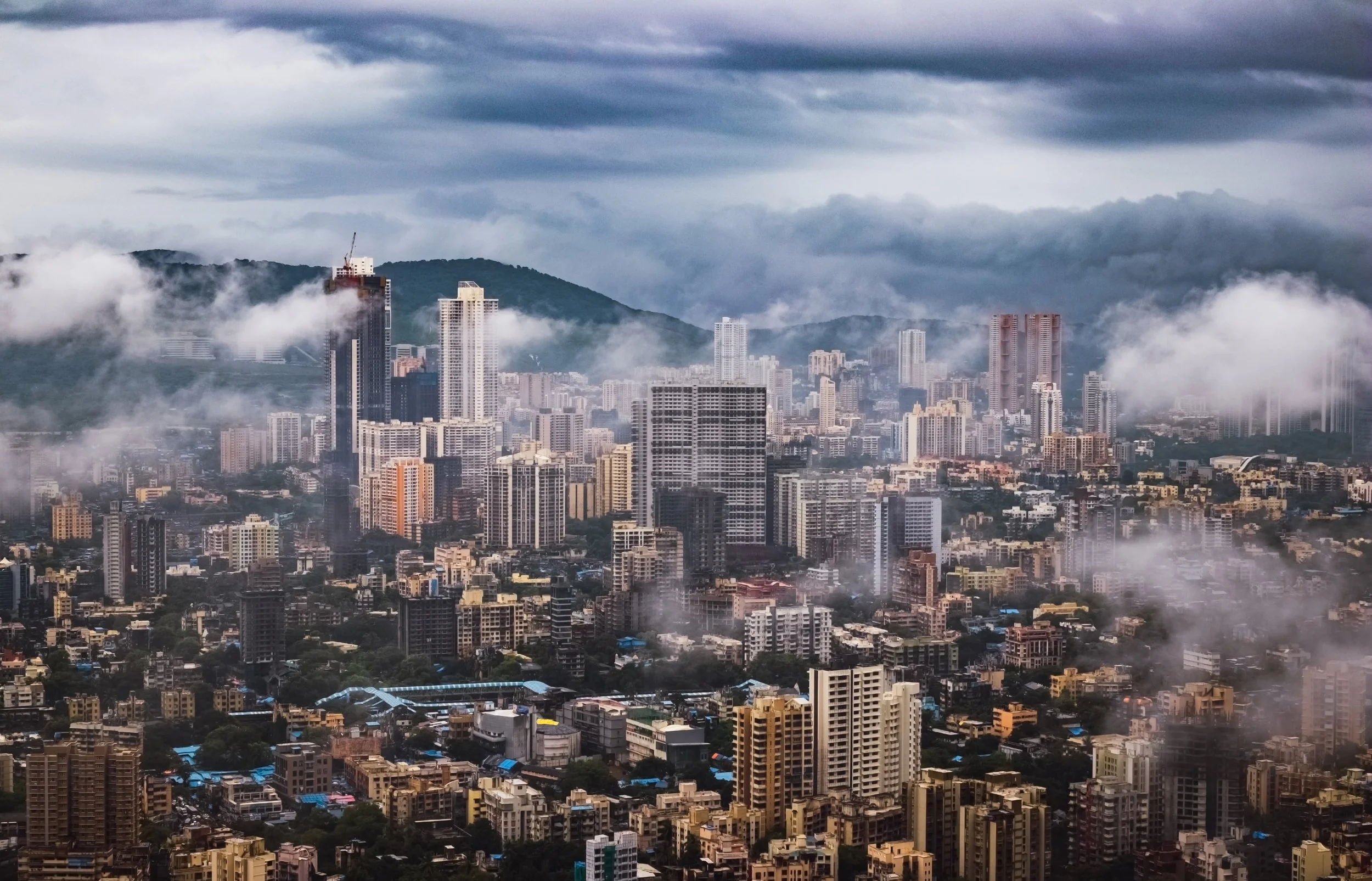
Screen out high-risk areas first
First, check the Hong Kong Security Bureau's travel advisory and whether your destination has been upgraded to yellow, red, or black
Then compare the news and insurance company announcements to see if they mention airspace closures, armed conflicts, or evacuation arrangements
If the destination is already a war zone or a region with significant escalation, it is generally advisable to avoid gambling on insurance coverage immediately after purchasing it
Checks to be done before buying insurance
Before purchasing, make sure the policy excludes "war / hostilities / invasion / civil commotion"
Immediately after purchasing insurance, take a screenshot to save the terms and conditions, paying particular attention to words related to war, travel warnings, and known risks
Pay attention to the insurance purchase date, as some cancellation policies are only valid if purchased before the travel alert is upgraded

Avoiding claims traps
Don't wait until the situation has already escalated before taking out insurance, because it will usually be considered a known risk afterward
If you need to change your itinerary to a nearby area, you should check the risks of the new destination one by one. Do not assume that the safety of the original destination means that everything else is safe
Remember to contact your insurance company's 24-hour support hotline and keep written notifications from your flight, hotel, and travel agency
In conclusion: Early preparation is more important than purchasing insurance
Travel insurance isn't a cure-all, but it can help reduce financial losses from unexpected events. The most practical approach is to avoid high-risk areas when planning your trip, stay informed about news updates, and consult a professional advisor
Want to ensure your trip is foolproof? Let AWM's insurance professionals compare coverage options for you and find the most practical protection
AWM partners with multiple insurance companies to help you find the coverage that best suits your needs. For more information, please contact us via WhatsApp or email [ email protected]