New Pet-Friendly Restaurant Policy: Hidden Risks Restaurant Owners Should Be Aware Of
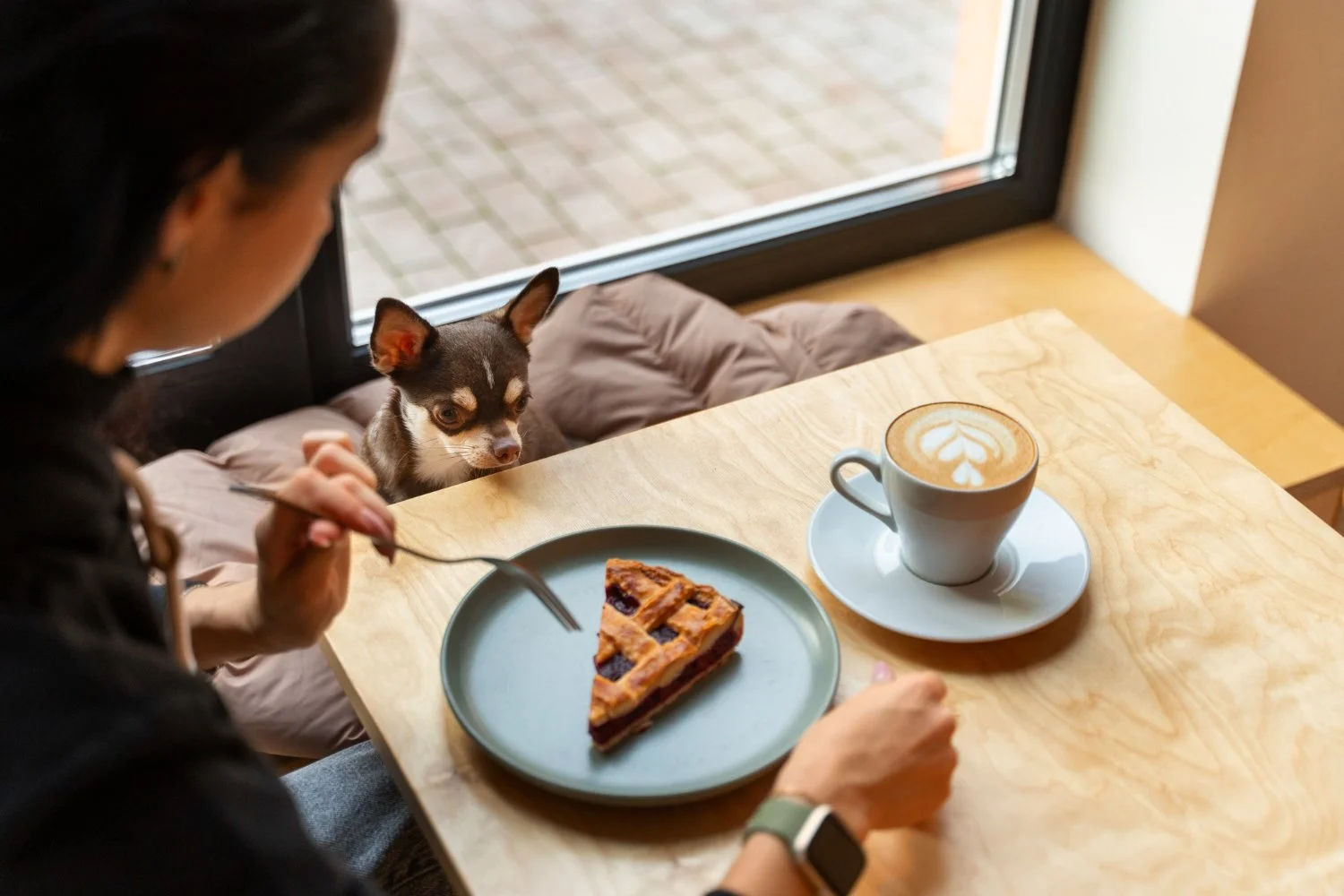
Hong Kong's legislation allowing pets in restaurants will be relaxed from May 2026. Restaurants can apply to the Food and Environmental Hygiene Department for a "permit to allow dogs" and can only legally allow pets on the premises after approval. Before approval, pets are still prohibited except for guide dogs and working dogs. The new system emphasizes three prerequisites: diners have a choice, the safety of people and animals is guaranteed, and food safety and environmental hygiene are maintained
Application qualifications
In the first phase, only restaurants with an area of more than 20 square meters will be accepted for application, and there is a limit to the number of places (500–1,000 places; if the limit is exceeded, they will be allocated by lottery). The government also stated that some high-risk categories, such as hot pot restaurants and barbecue restaurants, will not be accepted for the time being.
Approved restaurants must post designated signs in a prominent position at the entrance so that customers can make informed choices about whether to enter
Prohibited Categories
Even with the relaxation of restrictions, "known dangerous dogs" and "fighting dogs" are still prohibited from entering restaurants
The government's list of fighting dogs includes Pit Bull Terriers, Dogo Argentinos, Japanese Tosa Inu, Fila Brasileiros, and their crossbreeds
Consequences of Violation
The penalties for violations are consistent with current legislation, with a maximumpenalty of a Level 3 fine of HK$10,000, an additional HK$300 per day, and imprisonment for 3 months. If a restaurant violates the regulations three times within 12 months, its permit to allow dogs to enter may be revoked, and it will be barred from reapplying for one year.
Impact on operations
The new regulations actually have high requirements for restaurant operations. In addition to legal compliance, they also have to deal with seating configuration, aisle safety, cleaning arrangements and complaint response
Insurance Package
For pet-friendly restaurants, the most important thing regarding insurance is toproactively notify the insurance company. Once the business model changes from a traditional restaurant to allowing pets, the risk profile changes, and existing policies may not automatically cover the risks. In practice, special attention should be paid to risks related to public liability, employee compensation, food safety, property damage, and accidents caused by pets. The following are the main areas of concern.
Primary responsibility risk
It's important to clarify beforehand how responsibility is divided if a dog bites a customer, employee, or pet is injured—whether it's the restaurant, the pet owner, or both parties sharing the responsibility
At the same time, we must also consider that slips, scratches, stains on furniture, and broken items caused by pets may lead to third-party claims
Key points of the policy terms
When purchasing insurance, make sure the policy excludes "animal-related accidents", whether any special clauses need to be added, and whether the deductible and compensation limit are sufficient
If a restaurant provides pet food or allows pets to roam in the store, you should also make sure that there are guarantees against food poisoning, accidental ingestion, cross-infection between humans and animals, or contamination
Key points of insurance adjustment
Public Liability Insurance
It must cover accidents caused by pets, such as dogs biting guests, knocking over dishes and causing injury, or damaging property
It is recommended to increase the coverage limit, as compensation for personal injury can be quite high
Property loss protection
Pets may cause damage to store facilities (such as furniture, decorations, and equipment), so you need to check whether your policy covers such losses
Exclusive Additional Terms
Some insurance companies offer a special "pet-friendly restaurant" supplemental coverage that covers pet-related risks
Practical Operation
First, check whether existing commercial insurance policies have included the "pets in stores" business model in their coverage, especially public liability insurance and store insurance
If a restaurant changes to be pet-friendly without notifying the insurance company, it may be considered a change in risk information in the event of an accident, affecting compensation
Insurance companies may modify policy terms and charge additional premiums in response to changes in their operating models
As your insurance strategy partner, AWM collaborates with leading insurance companies to create flexible and efficient insurance solutions. Whether you're planning to open a store or change your business model, we can provide tailored solutions. Contact us for a free insurance inquiry!