Traffic accidents caused by drunk driving: Insurance liability, compensation arrangements, and recourse risks
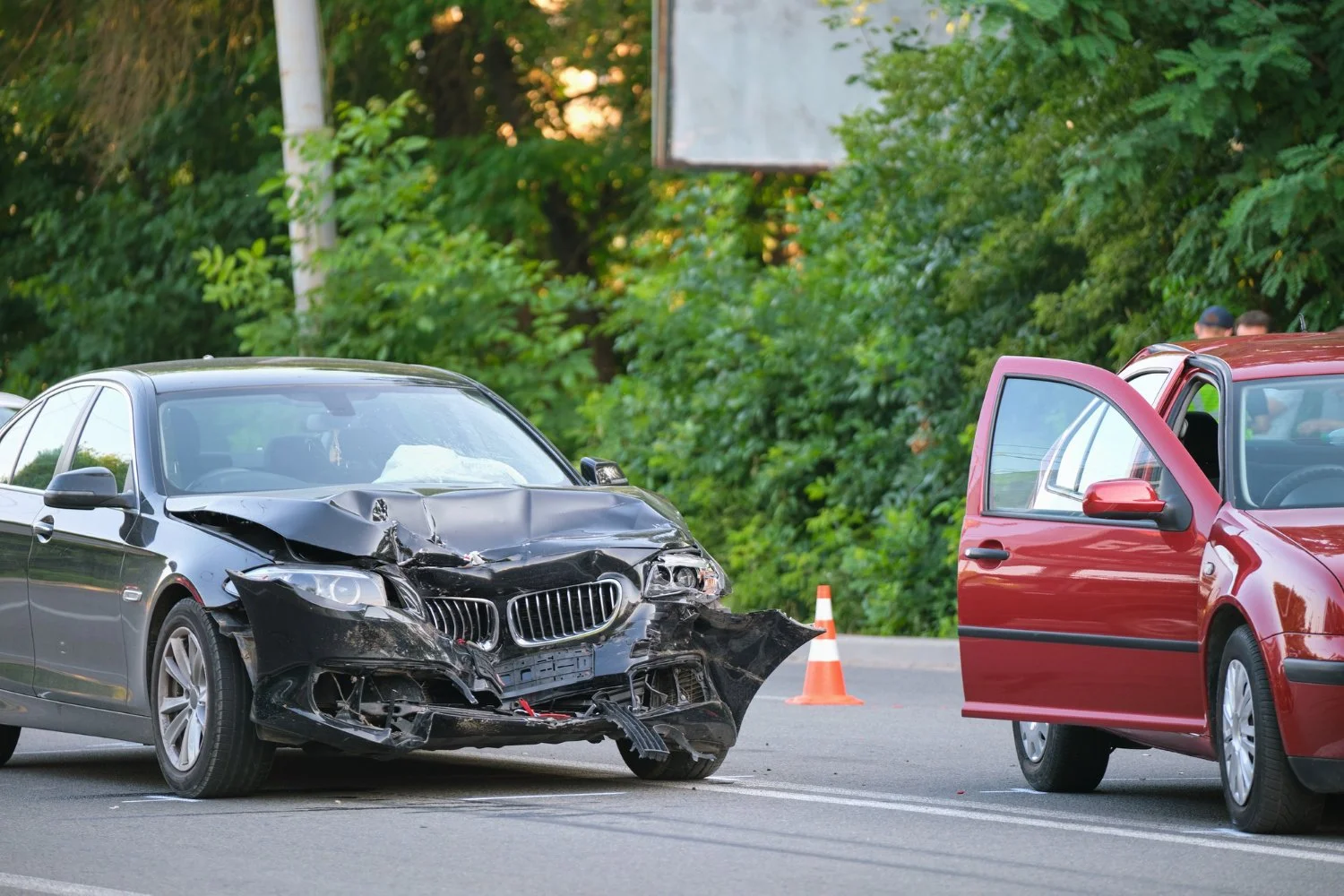
Driving under the influence of alcohol has always been a high-risk behavior in traffic safety, posing a threat not only to the driver but also to other road users. In Hong Kong, drunk driving is subject to strict criminal regulations, and the insurance liability, compensation arrangements, and legal consequences involved in traffic accidents are quite complex. From a risk management and insurance perspective, drunk driving is not only misconduct but often leads to the invalidation of coverage or the risk of unjust enrichment
Criminal and liability framework for drunk driving
Firstly, according to Hong Kong's Road Traffic Ordinance, driving with a blood alcohol level exceeding the legal limit is illegal. If a traffic accident is caused by drunk driving, the police will not only prosecute for dangerous driving or drunk driving, but also investigate liability for the accident. This has a crucial impact on insurance claims, as insurance companies rely heavily on police reports and court judgments to determine the proportion of liability when processing claims
Third-party liability insurance: advance compensation and subsequent recourse
Regarding car insurance, Hong Kong law requires all car owners to purchase third-party liability insurance. Even if an accident occurs while the driver is driving under the influence of alcohol, the insurance company is usually still required to compensate the injured third party first, based on public policy considerations to protect innocent third parties
However, this does not mean that the insurance company will ultimately bear all the losses. In practice, most policy terms clearly state that if a driver drives under the influence of alcohol, it constitutes a violation of the policy terms, and the insurance company, after compensating the third party, has the right to seek subrogation from the policyholder or the actual driver
Vehicle damage: Drunk driving may void insurance
Secondly, regarding vehicle damage, comprehensive insurance typically covers vehicle repairs or total loss. However, driving under the influence of alcohol is usually excluded from coverage
In other words, if the driver is found to be driving under the influence of alcohol during an accident, the insurance company is very likely to refuse to compensate for the loss of the vehicle itself, and may even terminate the policy. This means that the policyholder will have to bear the expensive repair costs or property loss on their own
Personal injury compensation: Huge amounts and risks of claiming damages
Furthermore, situations involving personal injury or death are even more serious. If a third party is injured or even dies in an accident, the related compensation amount can be extremely high, including medical expenses, lost income, and compensation for emotional distress. Although third-party liability insurance will make initial payments, the amount that the insurance company may subsequently seek from the drunk driver can also be substantial, even leading to personal bankruptcy
In addition, whether passengers are covered if they are injured depends on the policy terms and liability allocation. For example, whether passengers knew that the driver had been drinking and still chose to ride in the car may also affect the compensation arrangements
Long-term impact on future insurance purchases: High-risk label
From a risk management perspective, drunk driving can also have a long-term impact on future insurance applications. Drivers involved in drunk driving accidents are often considered high-risk customers by insurance companies, leading to a significant increase in premiums or even being denied insurance coverage
Some insurance companies check past traffic violations, including drunk driving convictions, during the underwriting process and take them into consideration. This "risk label" has a lasting impact on individual insurance costs
Commercial Vehicles and Corporate Fleets: Employer Responsibility and Internal Management
In the management of commercial vehicles or corporate fleets, drunk driving involves the responsibility of employers. If an employee drives under the influence of alcohol during work hours and an accident occurs, the employer may face civil claims or even supervisory liability, especially if the company has not established appropriate driving policies or monitoring mechanisms
Related insurance policies, such as commercial auto insurance or employee compensation insurance, may also lead to disputes over coverage due to violations. Therefore, companies usually establish strict "zero-alcohol driving policies" and implement training and internal control measures to reduce risks
Claims Practice: How Insurance Companies Review Drunk Driving Accidents
In claims practice, insurance companies will give special consideration to several factors when handling drunk driving accidents, including blood alcohol test results, police reports, eyewitness testimonies, and whether the driver’s behavior constituted gross negligence
In some cases, even if the legal alcohol limit is not reached, if it is proven that the driver's ability to drive is impaired, it may still be considered a violation of the policy terms, thus affecting the compensation outcome

In conclusion: Avoiding drunk driving is the most effective risk management
In general, traffic accidents caused by drunk driving involve not only basic compensation issues from an insurance perspective, but also legal liability, interpretation of policy terms, and risk management strategies. For policyholders, the most crucial aspect is not understanding how insurance compensates, but rather avoiding situations that could lead to the loss of coverage. Drunk driving is a prime example: once an accident occurs, not only may insurance coverage be lost, but heavy legal and financial consequences may also result
Therefore, from both public safety and personal risk management perspectives, avoiding drunk driving is the most basic and effective measure. For the insurance industry, enhancing policy transparency and customer education also helps raise risk awareness and reduce related accidents and disputes
AWM provides high-quality service
AWM, the car insurance expert, has an experienced claims team and integrates plans from more than 65 insurance companies, providing you with professional advice and services on car insurance
If you are interested in obtaining a quote, please feel free to contact AWM