Risks of Private Settlement of Traffic Accidents in Hong Kong: Legal Pitfalls You Need to Know
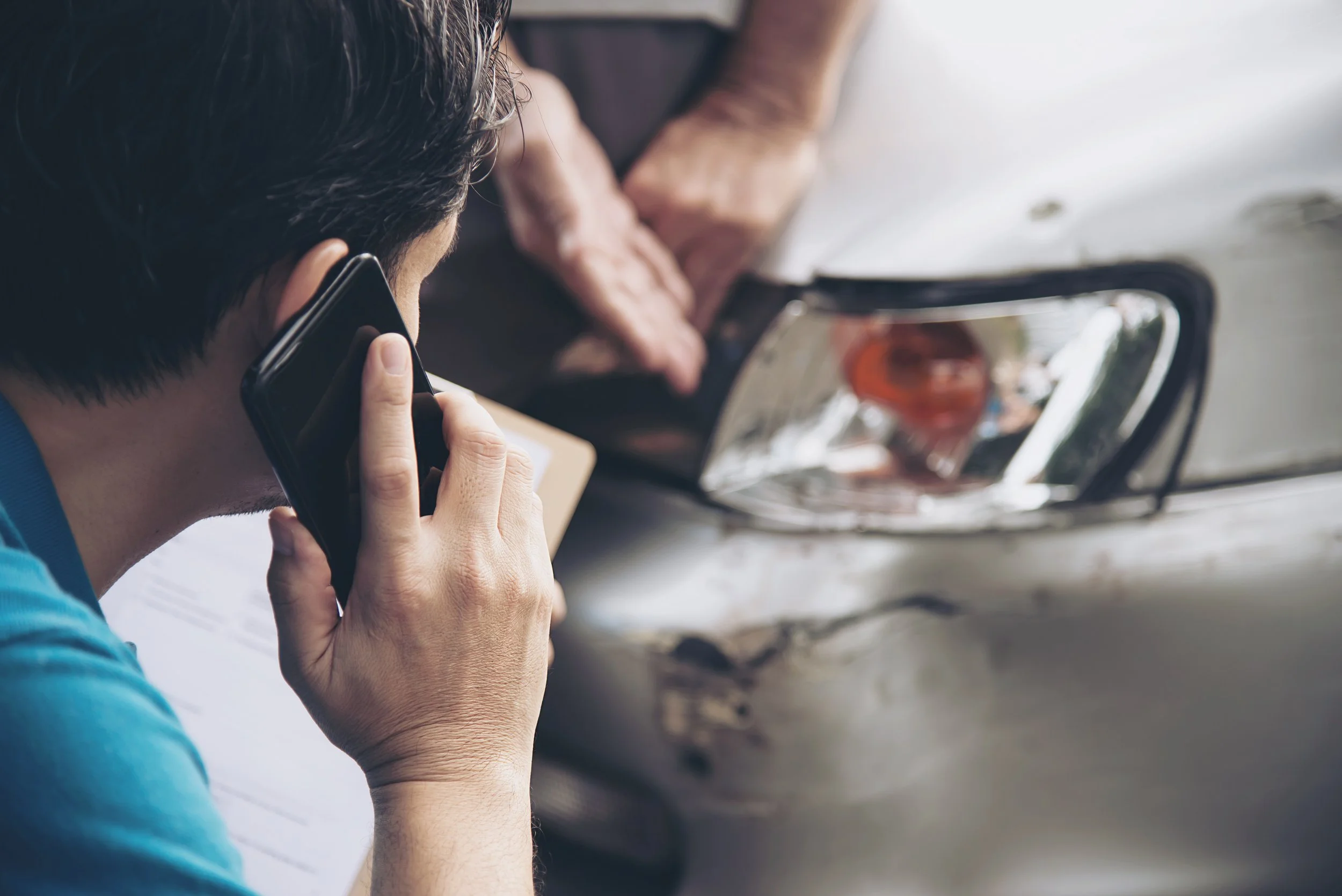
In Hong Kong, most cases after traffic accidents do not go to court, and more than 90% of them are eventually resolved through out-of-court settlement (commonly known as "private settlement"). However, there are many risks involved in traffic accidents. You should click on this article to see what the risks are.
Major legal risks
Private settlements are usually just private agreements between the two parties and lack full legal protection; if the other party later goes back on their word, becomes unreachable, or refuses to pay, it will be more difficult for you to recover the money
• If the settlement agreement states "full and final settlement", receiving the money usually means giving up your right to pursue it later. If you later discover internal damage or higher repair costs, it may be very difficult to pursue it again
· The stakes are particularly high when someone is injured because the injury may be delayed while you have already signed a settlement
• Settling out of court does not exempt one from criminal liability; even if both parties sign a settlement, they may still be prosecuted if the incident involves legal liability such as careless driving, failure to park, or failure to report
• If the accident actually involves injury, under Hong Kong law, drivers usually still have an obligation to stop the vehicle and report it. Delaying or failing to report to the police will increase legal risks
Insurance-level risk
Failure to truthfully declare to the insurance company may violate the policy terms, affecting compensation and even requiring you to bear the amount that could have been handled by the insurance company
• If you admit responsibility first and then handle it privately, the insurance company may not accept your unilateral arrangements later, which may lead to additional claims in serious cases
Even if the two parties settle privately, the legal liability of the third party may still affect subsequent claims if there is injury or property damage to a third party
Risk of being scammed or extorted
• The other party said they were fine on the spot → later claimed to be injured
• Requesting "medical expenses" but receiving no receipt
Threatening to call the police or sue you to force you to pay more money
Other risks
If there is no timely report to the police or a lack of formal records, it will be more difficult to prove the circumstances of the accident, the proportion of responsibility, and the amount of loss in the future
Signing documents under tense circumstances can easily lead to overlooking the terms, amounts, and details of responsibilities
If the actual loss needs to be determined after a repair assessment, settling privately on the spot may result in insufficient compensation
If the other party provides false information or refuses to exchange identity information, the subsequent recovery process will be more complicated
If you choose to settle privately, consider "reporting to the police and then reaching a settlement."
The biggest difference between "settling privately" and "settling after reporting to the police" lies inwhether there is a formal police recordand whether compensation and insurance claims can be successfully pursued afterward.
| Benefits of calling the police | Benefits of settling out of court |
|---|---|
| With official police records, the handling of liability, insurance claims, and disputes will be clearer in the future | The process is faster, and usually there is no need to wait for the police or subsequent documents; the problem can be resolved on the spot |
| In cases involving personal injury, unclear liability, or significant damage, reporting to the police can reduce the risk of being held accountable or having insufficient funds recovered later | In cases of minor vehicle damage, no injuries, and clear liability, time can be saved in the process of filing claims and pursuing recovery |
| If the incident involves legal liability, reporting it to the police can help preserve evidence and clarify the facts | If both parties agree, settling privately can prevent a minor incident from escalating into a lengthy process |
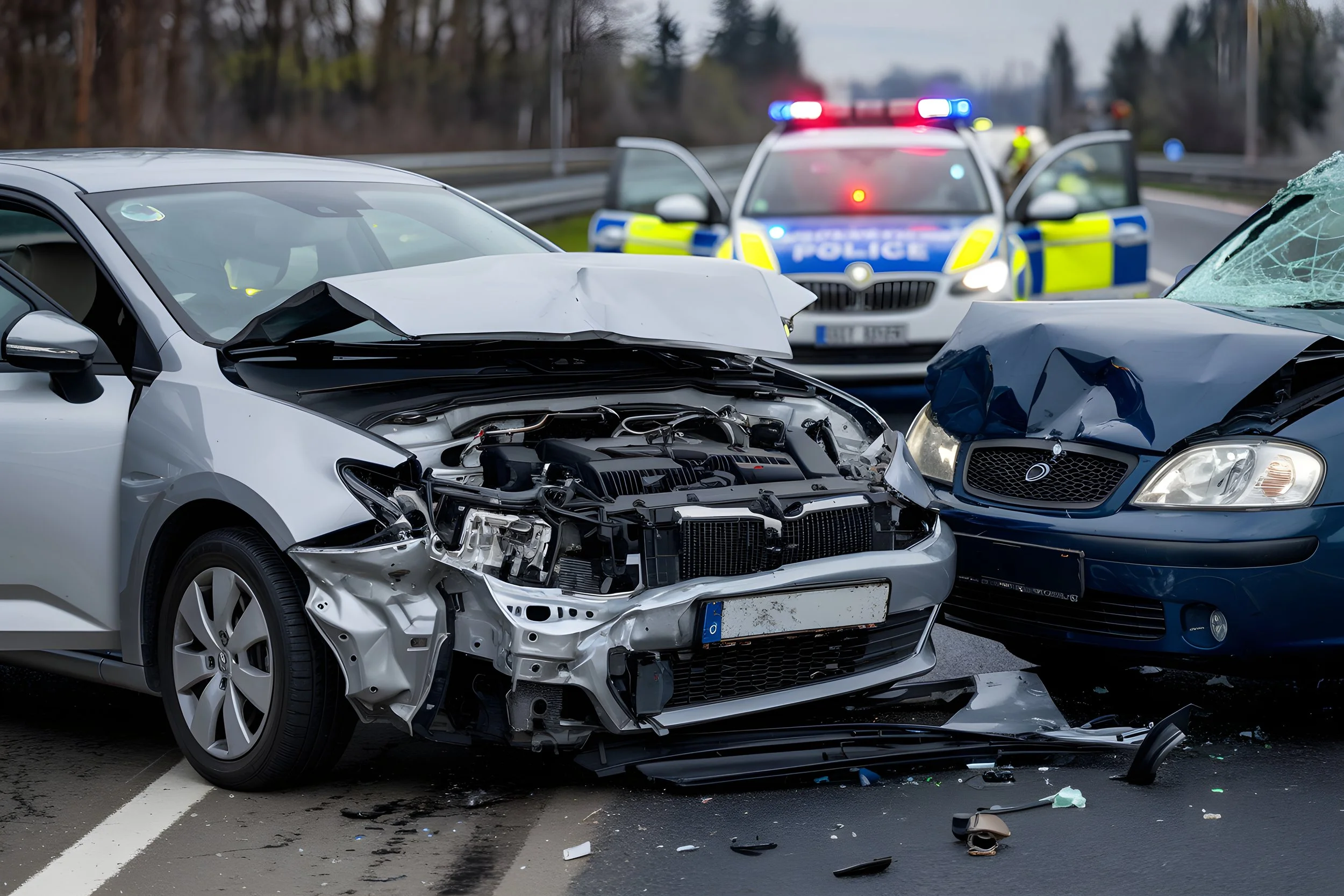
In practice, one should select
· If no one is injured, the damage is minor, and both parties are willing to clearly write a settlement letter, the matter can be settled privately as quickly as possible
If someone is injured, there is a dispute over liability, the damage is not easy to predict in time, or you are afraid that the other party will go back on their word, it is usually safer to call the police and settle the matter
• If government property is involved, such as lampposts, railings, or road signs, do not settle privately
• If the other party refuses to exchange information, do not settle privately
• If you suspect the other party is driving under the influence of alcohol, driving without a license, abandoning their vehicle, or is unclear about liability, do not settle the matter privately
"It's private." The key point is to make a more stable formation
First, stop the car and check if anyone is injured
• Exchange information such as the other party's name, phone number, address, and license plate number
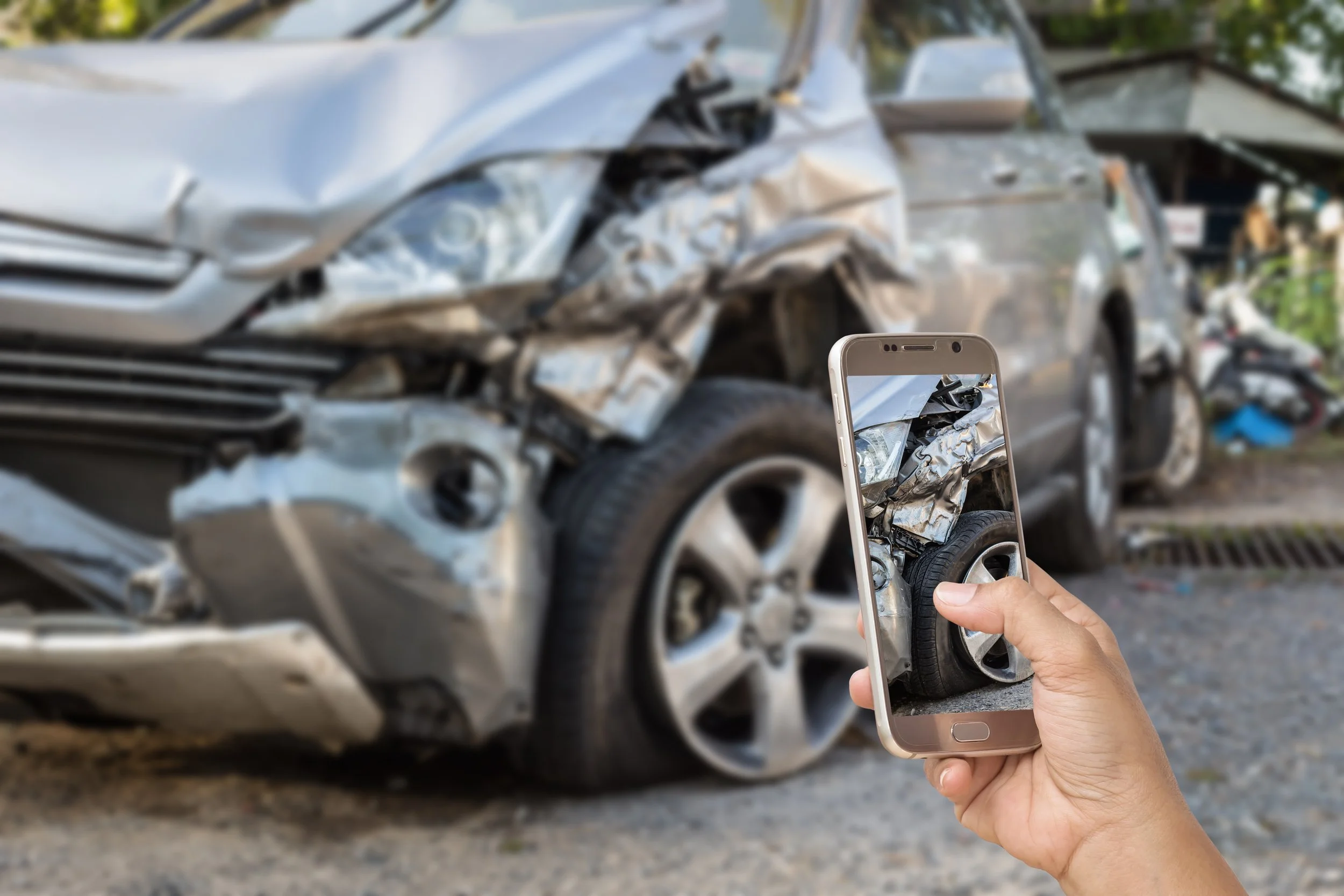
• Take photos of the scene, vehicle damage, parking space location, and license plate number as evidence
• Agree on a clear settlement amount, preferably specifying "total and final settlement amount"
• Both parties shall sign a settlement agreement, specifying the time, location, license plate number, liability arrangements, and payment arrangements for the incident
AWM provides high-quality service
AWM, the car insurance expert, has an experienced claims team and integrates plans from more than 65 insurance companies, providing you with professional advice and services on car insurance
If you are interested in obtaining a quote, please feel free to contact AWM