

Hong Kong car owners reveal practical tips for saving fuel
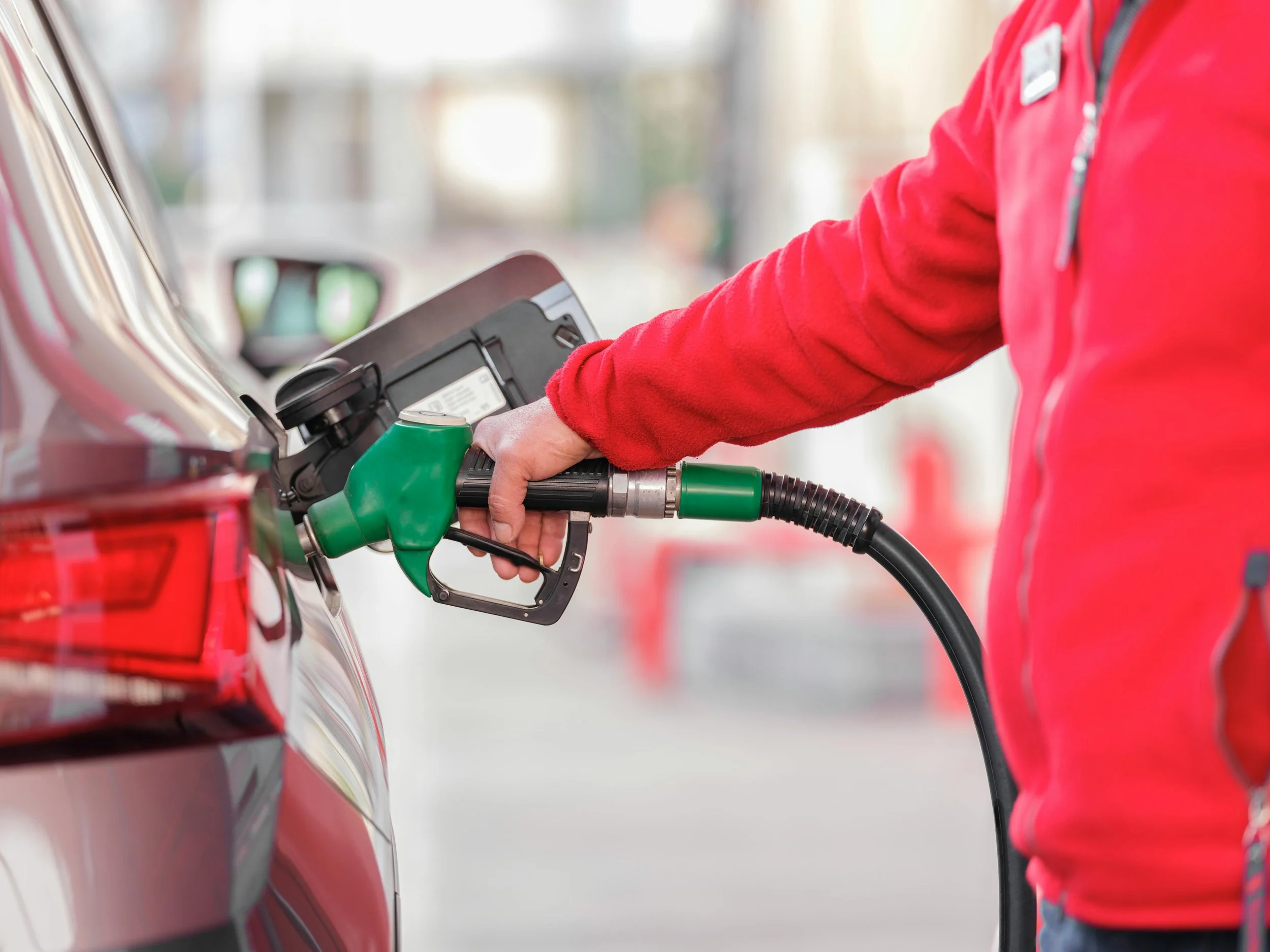
In Hong Kong, high fuel costs are one of the biggest expenses for car owners. However, by mastering a few tips, both beginners and experienced drivers can save a significant amount of money each year when driving traditional gasoline vehicles, hybrid electric vehicles (HEVs), and plug-in hybrid electric vehicles (PHEVs), while also being more environmentally friendly
Fuel-saving driving habits
Gentle acceleration and stable driving
Gently press the accelerator: Avoid sudden acceleration when starting, and release the accelerator early before the red light to reduce the number of times you have to brake suddenly.
Maintain a constant speed: Try to maintain a steady speed and avoid frequent acceleration and deceleration.
Predict road conditions
Traffic lights and traffic jam prediction: Learn to observe the road conditions ahead, slow down in advance, and reduce the number of times you brake, which is both safe and saves fuel.
Mountain driving tips: Hong Kong has many mountain roads. It is recommended to maintain a steady throttle when going uphill and use engine braking to slow down when going downhill, and avoid coasting in neutral.
Park and turn off the key
When parking for more than 3 minutes, it is recommended to turn off the ignition to avoid wasting fuel by idling the engine
Use air conditioning appropriately
Summer cooling tips: Open the windows to ventilate the car before driving to reduce the temperature inside. When turning on the air conditioning, set it to 25°C for the most economical solution.
Parking options: Choose a shady spot or a covered parking lot to reduce the burden on the air conditioner.
Hybrid Electric Vehicle (HEV/PHEV) Exclusive Tips
Make good use of battery mode
Hybrid vehicles can switch to pure electric mode when driving at low speeds (such as in parking lots or slow driving in urban areas) to reduce fuel consumption
Avoid frequent charging
For plug-in hybrid electric vehicles (PHEVs), charging should be done in moderation to avoid overcharging, as overcharging may shorten battery life
Anticipating brake recharge
HEVs and PHEVs recharge energy through braking. It is recommended to slow down in advance before traffic lights to allow the system to recover energy more efficiently
Fuel-saving techniques unique to Hong Kong's driving environment
ramps and traffic lights
Maintain a safe distance: It is recommended to maintain a 2-second following distance, anticipate traffic conditions ahead, and reduce unnecessary braking.
Driving on mountain roads: Avoid stepping on the gas pedal when going uphill, and use engine braking when going downhill, which is both safe and fuel-efficient.
Driving in the rain
Fuel consumption will increase by 15% in rainy weather. It is recommended to reduce speed and avoid driving into flooded areas to reduce tire resistance
It's more cost-effective to refuel in the early morning
Refueling between 5 and 7 a.m. is recommended because gasoline density is higher, allowing you to fill up a larger tank for the same price
Common misconceptions about saving oil
Coasting in neutral does not save fuel: Not only does it not save fuel, it may also cause safety hazards and wear and tear on machine parts.
Excessive warm-up time: Modern cars do not require a long warm-up time; you can drive slowly immediately after starting the engine.
Premium gasoline is not necessarily more fuel-efficient: Regular 95-octane gasoline is sufficient, and there is no need to upgrade to premium gasoline unless the vehicle has special requirements.
Conclusion
Regardless of the type of vehicle you drive, the key to saving fuel lies in developing good driving habits and regular maintenance. This not only reduces fuel costs but also extends the life of your vehicle and can even lower the risk of accidents
AWM's car insurance consultant teamis dedicated to providing car owners with comparison plans from over 65 insurance companies, tailoring the most suitable insurance plan to help you drive with peace of mind and save more! Feel free to inquire now!
