

How much compensation do you get for damaging government property? Learn how to resolve this legally and peacefully

In Hong Kong, a bustling city, traffic accidents are frequent. Sometimes, these accidents involve not only vehicle collisions but also damage to government property such as streetlights, guardrails, traffic lights, or road signs. This not only causes additional trouble but can also lead to hefty compensation claims. This article will delve into the amount of compensation for damaging government property, its calculation methods, influencing factors, and how to resolve such cases through legal channels, helping you avoid unnecessary legal disputes and financial losses
According to data released by the Hong Kong Transport Department in March 2025, approximately 16,500 traffic accidents occur in Hong Kong each year, of which about 10-15% involve damage to government property. Those responsible for such accidents are liable for fines ranging from several thousand to hundreds of thousands of dollars. Improper handling may result in fines or criminal charges
The legal basis for damaging government property in Hong Kong
In Hong Kong, damage to government property is regulated by several laws, primarily the Road Traffic Ordinance (Cap. 374) and the Damage to Public Property Ordinance (Cap. 230). These laws ensure that damaged public property is repaired promptly and that the responsible party bears the costs
1. The roles of the Highways Department and the Transport Department
The Highways Department is responsible for managing public road property such as guardrails, streetlights, and signs. If your vehicle damages these facilities, the Highways Department will assess the damage and calculate the compensation amount. The Transport Department handles traffic accident reports to ensure a smooth compensation process. According to the Highways Department's 2024 guidelines, the perpetrator must report the accident to the police as soon as possible after it occurs; otherwise, they may be considered to be evading responsibility
2. The role of insurance companies
Hong Kong law requires vehicles to have third-party liability insurance (3-insurance), and many car owners upgrade to comprehensive motor vehicle insurance (full coverage). Both types of insurance also cover compensation for government property, but it's important to note the "deductible," which is a fixed amount you must pay yourself (usually HK$2,000-10,000, depending on the policy terms). For example, if the total compensation is HK$20,000 and the deductible is HK$5,000, you only need to pay HK$5,000, with the remainder covered by the insurance company. According to the 2024 report by the Hong Kong Federation of Insurers, the average government compensation for public property is approximately HK$10,000 to HK$50,000, depending on the extent of the damage. Uninsured individuals will have to pay out of pocket and may face additional penalties. It is recommended to review your policy details to understand the specific application of the prepayment and avoid unexpected additional expenses.
3. Liability for Negligence and Criminal Consequences
Hong Kong operates on a fault-based liability principle. If you are proven to be at fault (such as speeding or driving under the influence of alcohol), you will not only be required to pay full compensation but may also be charged with a criminal offense. In serious cases, under the Crimes Ordinance, you may be fined up to HK$100,000 or imprisoned
How to calculate compensation for damaging government property?
The compensation amount for damaging government property is not fixed, but calculated based on several factors. Here is a detailed explanation and steps:
1. Common types of public property damage and average compensation amounts.
Streetlights or traffic lights: The average compensation for a damaged streetlight is approximately HK$15,000-30,000, including replacement of the light fixture and wiring.
Fences or railings: Minor damage costs approximately HK$500 per meter, while severe damage can cost over HK$20,000.
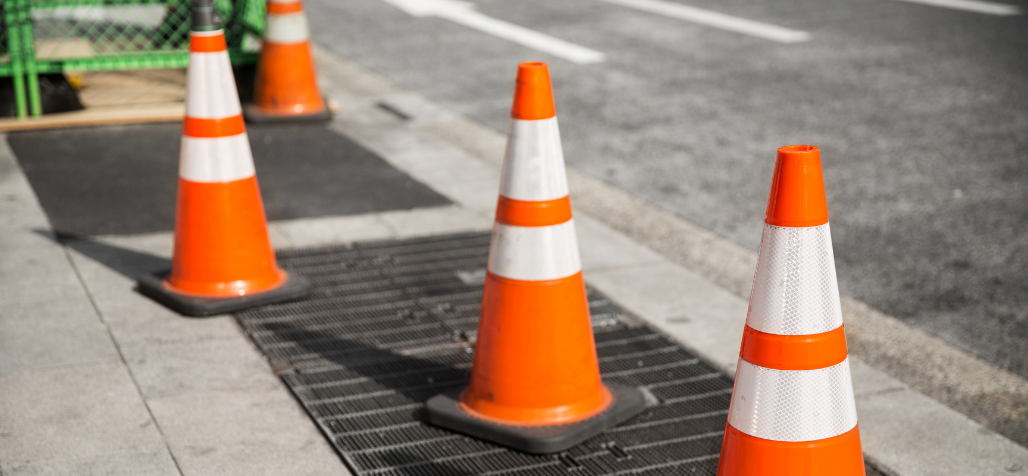
Road signs or traffic cones: Simple replacement costs approximately HK$2,000-5,000.
Bridge or tunnel structures: Severe damage can cost up to HK$100,000 or more, requiring engineering assessment.
2. Calculation Formula
The Highways Department uses the following formula for assessment:
Total Compensation = Material Costs + Labor Costs + Administrative Costs + Indirect Losses (e.g., Traffic Delays)
. For example, damage to guardrails: Materials HK$8,000 + Labor HK$5,000 + Administrative HK$2,000 = HK$15,000. If the accident causes traffic congestion, an additional HK$10,000 will be added.
3. Influencing Factors
Degree of damage: Minor scratches vs. complete destruction, the difference in value is huge.
Location: Repair costs are higher in urban areas (such as Central) due to increased labor and material transportation costs.
Proportion of fault: If there is shared responsibility, your compensation may be reduced, for example, by half if there is shared responsibility of 50%.
Inflation adjustment: Referencing the Hong Kong Census and Statistics Department's 2024 CPI (an increase of approximately 3%), the amount will be adjusted annually.
Insurance coverage: Having insurance can reduce the burden, while those without insurance must pay the full amount.
4. Consideration of Additional Costs
In addition to direct compensation, it may also include fines (such as HK$5,000 for driving without a license) and court costs. If damage to public property results in injury to a third party, additional medical compensation will be required
In practice, it is recommended to contact the Highways Department hotline (telephone: 2926 4111) immediately after an accident. They will provide a preliminary estimate to help you estimate how much compensation you will need to pay for damaging government property
Legal methods for resolving the issue of damaging government property
Many people worry about lawsuits when they damage government property, but there are actually legal and peaceful ways to resolve the issue. Here is a step-by-step guide:
Step 1: Accident scene handling
Stop your vehicle immediately, call the police (999), and take photos to document the damage. Do not leave the scene, otherwise you may be charged with "hit and run". Collect evidence, such as CCTV footage or contact information for witnesses
Step 2: Notify relevant departments
Report the damage to the Highways Department or Transport Department within 24 hours. Submit the police report number, and they will send someone to assess the damage and issue a notice of indemnity
Step 3: Contact the insurance company
If you have insurance, notify the company immediately. They will handle communication with the Highways Department and pay the majority of the amount. According to data from the Hong Kong Federation of Insurers, 80% of cases are resolved peacefully through insurance
Step 4: Negotiation and Reconciliation
If there is a disagreement regarding the amount, negotiations can be conducted through a lawyer. The Hong Kong Law Society offers free initial consultations, and many cases can be resolved through mediation to avoid going to court. The success rate of mediation is as high as 70%, and it can reduce compensation by 20-30%
Step 5: Payment and Follow-up
Once the amount is agreed upon, payment will be made via bank transfer. The Highways Department will issue a receipt to ensure there are no further collections. If you are unable to pay, you can apply for installment payments, but you will need to prove your financial difficulties
Avoid common mistakes
Please do not ignore this notice: Delays may incur an additional 10% penalty
Do not attempt to repair it yourself: It must be handled by a government-approved contractor
Arbitration can be considered: If negotiations fail, an application can be made to the Small Claims Tribunal, with a limit of HK$75,000
Through these steps, most cases can be resolved within 3-6 months without the need for court intervention
Analysis of real-world cases of vandalism involving government property in Hong Kong
The following analysis is based on real cases in Hong Kong (data from public case law and Highways Department reports, anonymized)
Case 1: Severe Streetlight Collision
On the Tsuen Wan Expressway, a truck crashed into several streetlights, causing total damage of HK$80,000 (including traffic delay fees). The driver was partially at fault, and the damage was reduced to HK$50,000 after mediation, to be covered by insurance. The entire process was resolved peacefully within three months
Case 2: Traffic light damage with multiple parties sharing responsibility
An electric bicycle damaged a traffic light in Tsim Sha Tsui (HK$25,000), involving pedestrian negligence. Following arbitration by the Small Claims Tribunal, the liability was apportioned, with the at-fault party only required to pay HK$15,000
These cases show that the amount of compensation for damaging government property can be reduced through legal channels, and the average resolution time is less than six months
Conclusion: Legal and peaceful resolutions prevent accidents from becoming a burden
While damaging government property is a serious matter, understanding the compensation amounts and legal channels allows you to resolve the issue peacefully and avoid further losses. In Hong Kong, knowledge is power – act early to protect your rights
AWM Car Insurance Experts Help You Make Smart Choices
After understanding the compensation risks associated with damaging government property, it's important to emphasize the importance of choosing appropriate car insurance. Resolving accidents peacefully through legal channels, paying attention to prepayment terms, and regularly reviewing policy details are crucial for achieving "smart driving and comprehensive protection" in the event of a traffic accident
For professional car insurance quotes or coverage inquiries, AWM can compare car insurance plans from more than 20 insurance companies. After submitting all documents and making payment, a temporary policy can be issued in as little as 30 minutes, allowing you to quickly obtain comprehensive protection and making your car use more worry-free!
Source: Transport Department, Hong Kong Federation of Insurers, Hong Kong Law Society
