Employment Insurance | The Gray Area of Employee Protection—An In-Depth Analysis from an Insurance Professional Perspective

Labor insurance is a crucial system that ensures employees receive financial compensation and medical care when they are injured in accidents or contract occupational diseases during work. However, in reality, labor insurance coverage is not comprehensive, with many "gray areas" creating loopholes between legal liability and practical operation, resulting in incomplete protection of employees' rights. This article will analyze these issues through real-world cases, combining legal provisions and insurance expertise, to help employers and employees gain a clearer understanding of the true boundaries of labor insurance coverage
Background of labor insurance and employee protection
Employment insurance is established under the Hong Kong Employees' Compensation Ordinance (Chapter 282), requiring employers to insure their employees to cover medical expenses, wage compensation, permanent disability compensation, death benefits, and designated occupational diseases for employees injured on the job
Gray Area Case Study—Employee Commuting Guarantee During Inclement Weather
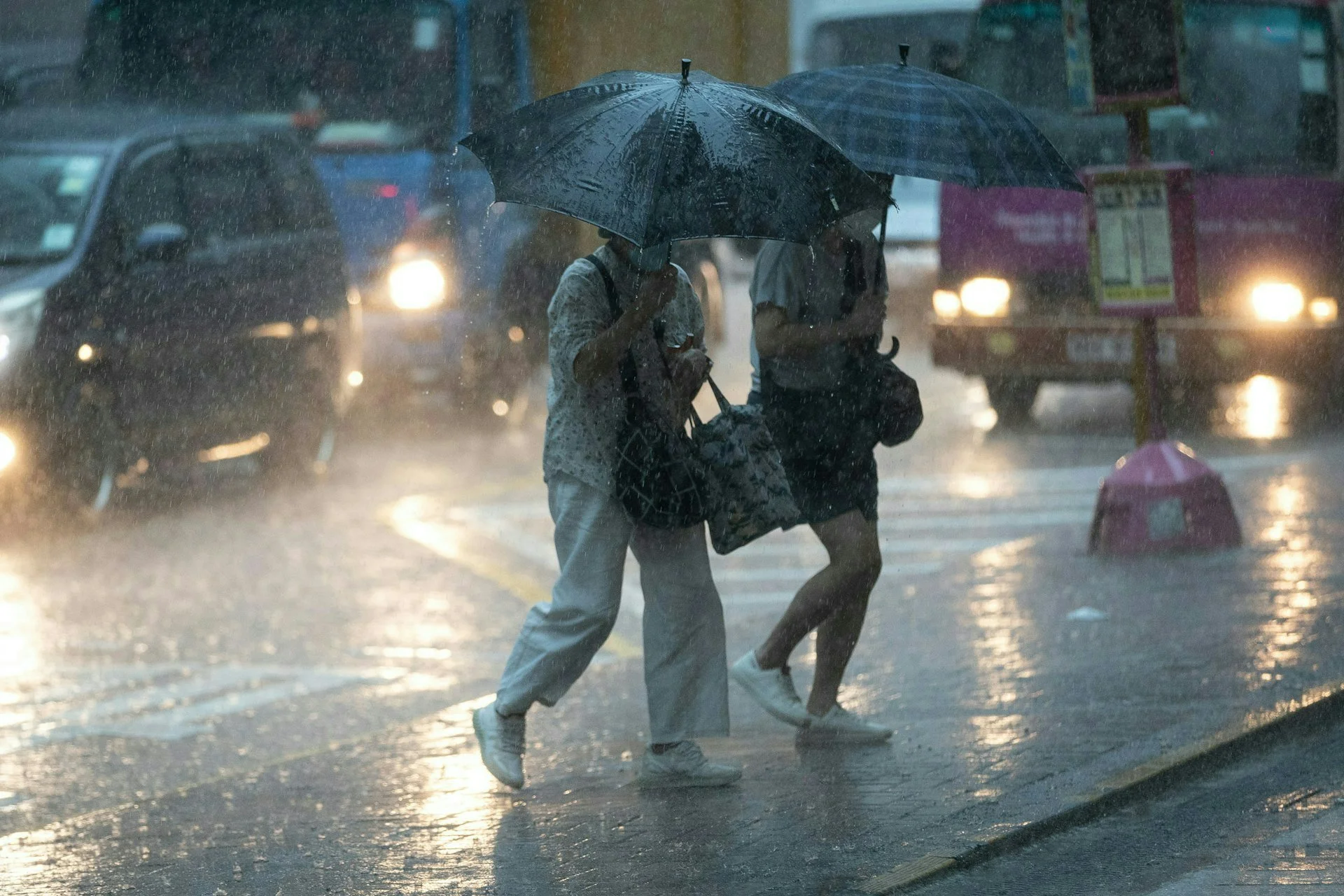
Ms. Chen's accident on her way to work during the red rainstorm warning period
During a red rainstorm warning, Ms. Chen slipped and fell on a pedestrian overpass on her way to work as usual and was injured, requiring hospitalization. She thought that she was only covered by workers' compensation during a black rainstorm warning or when traveling by public transport, so she paid for her medical expenses herself and did not claim compensation from her employer
Legal Interpretation: Expanded Protection for "Extreme Circumstances"
The Employees' Compensation (Amendment) Ordinance 2021, which came into effect on July 2, 2021, stipulates that if an employee is injured or dies accidentally during their commute to or from work during an "extreme situation" caused by a super typhoon, such as when a Tropical Cyclone Warning Signal No. 8 or above is in effect, or a Red/Black Rainstorm Warning Signal is in effect, it shall also be considered an on-the-job injury during their employment period and shall be protected by the Ordinance. The protection period includes:
• Within 4 hours before the start of work, travel from your residence to your workplace via a "direct route";
• Within 4 hours after the end of the workday, return to your residence from your workplace via a "direct route"
Ms. Chen returned to the company via the normal route during the red rainstorm warning, which falls within the scope of legal protection
What constitutes a reasonable "direct route"?
The ordinance defines "direct route" as the shortest and most reasonable route an employee can take from their residence to their workplace , excluding detours or private stops unrelated to work.
Route rationality case study:
If Ms. Chen stops at a restaurant for breakfast on her way to work, and that restaurant is not on her necessary or reasonable route, this "deviation" is usually not considered a "direct route." Therefore, if she is injured in an accident on the way,she will not be protected by the Labor Compensation Ordinance.
If Ms. Chen onlybriefly picked up her breakfast at the restaurantand then immediately returned to her work route, this action would be considered reasonable and not too far off course, and could be considered a "direct route,"potentially leading to the accident being covered by workers' compensation.
Therefore,whether a case constitutes a reasonable "direct route" is key to determining eligibility for workers' compensation. The reasonableness of the route and the degree of private conduct will determine whether the case falls under the scope of the Labor Compensation Act.
If employees take a "reasonable detour" during extreme weather, is their employment insurance covered?
In addition to the basic provisions for direct route protection as in Ms. Chen's case, extreme weather often blocks direct routes in reality, such as local flooding or road closures, forcing employees to take detours. This increases the complexity of determining workers' compensation
Example of a complex situation:
1. Localized flooding disrupts direct routes.
For example, if stairwells near residences are flooded or traffic is disrupted, employees have to take detours to avoid the affected areas or make short stops to wait for the water to recede, causing their journeys to deviate significantly from their usual routes.
2. Special road sections are impassable due to malfunctions or damage
. Due to severe weather, such as road collapses or vehicle shutdowns, employees are forced to change their original routes.

Althoughthe law does not explicitly define what constitutes a "reasonable detour," in such cases,employees can demonstrate the necessity of their detour in the following ways to strengthen their claim:
Collect official data from government departments, including weather and traffic control information, as well as news media reports
Take photos or videos of the affected areas
Record the specific time and reason for detours and stops
Using the above-mentioned methods of evidence preservation not only helps to prove to the Labour Department or insurance company that the detour was reasonable due to extreme weather, thus avoiding rejection of claims, but also reduces disputes in the claims assessment process
Employers and Employees Should Know Aboutthe Employees Compensation Ordinance
While Hong Kong's workers' compensation insurance system has a well-established legal framework, some gray areas still exist in practice, particularly regarding the complex assessment of protection during commutes in severe weather. Employers should explain to employees the work arrangements under severe weather and "extreme circumstances" before the employment contract begins, including arrival and departure times, return to work, and remote work (if applicable). If this cannot be explained before the contract begins, employers should at least provide employees with clear notice in advance. Furthermore, employers are legally obligated to purchase adequate workers' compensation insurance for eligible employees and assist them in reporting and claiming compensation in the event of an accident. Employees need to understand their coverage and claims process, and proactively report work-related injuries to protect their rights. Cooperation between both parties in complying with regulations helps reduce risks and protect each other's rights
Summary
If you are looking for a professional and reliable workers' compensation plan, AWM offers a diverse and flexible protection plan, specifically tailored to the actual needs of SMEs, helping you easily meet compliance requirements and operate worry-free. In addition, AWM also provides customized employee insurance plans, combining mandatory workers' compensation with group medical insurance and other corporate protections to flexibly address different sizes and risks. Whether you are a startup or a mature SME, AWM's professional team will strive to create the most suitable protection plan for you
For more professional advice on workers' compensation insurance, pleasecontact AWM via WhatsApp or emailfor detailed information and support.