

Protect your online transactions: Several online shopping risks and insurance options you should know

The combination of online shopping and e-money brings convenience, but also some risks that need to be considered. Firstly, online shopping allows consumers to browse products anytime, anywhere, easily compare prices and reviews, and enjoy a wider selection than in traditional stores. This convenience significantly enhances the shopping experience, especially in cross-border e-commerce, where consumers have direct access to overseas goods, expanding the possibilities for consumption
However, the role of e-money also necessitates greater caution from consumers. While electronic payment methods (such as credit cards, e-wallets, and virtual currencies) offer a fast and secure transaction environment, they also carry risks of being scammed and having one's account/data stolen. Currently, there are a few insurance policies in Hong Kong specifically addressing these risks, but their coverage is limited and cannot be considered a foolproof protection
Common Risks
Online shopping scams: fake online stores, fake Instagram/Facebook sellers, those who only accept FPS or bank transfers but do not ship the goods/the goods are not as described, or even "secondary scams" (claiming to help you recover the money and then scamming you multiple times)
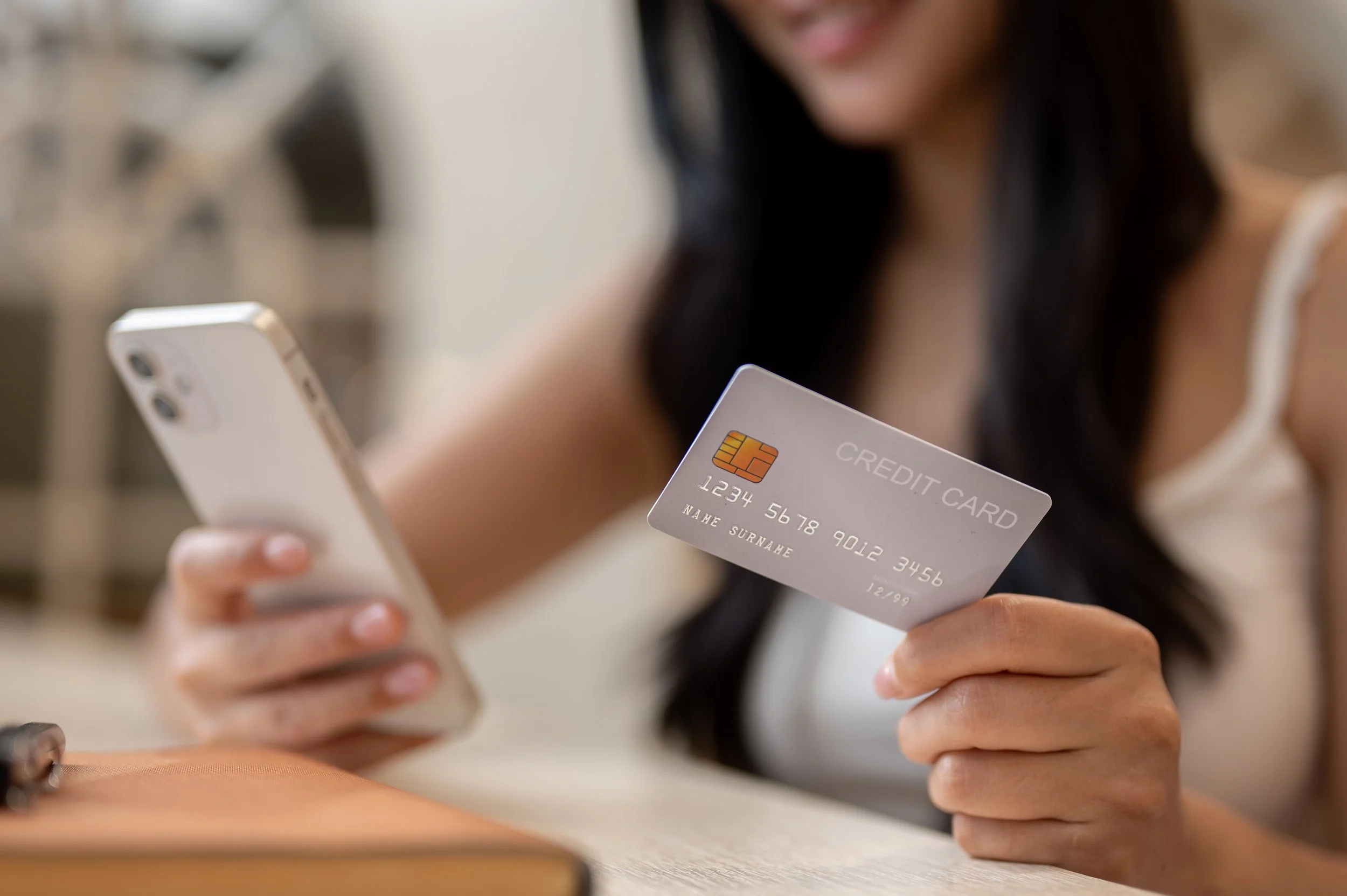
• Unauthorized transactions: Credit card information is stolen, mobile/e-wallet accounts are hacked, and transactions or transfers that are not made by you are recorded
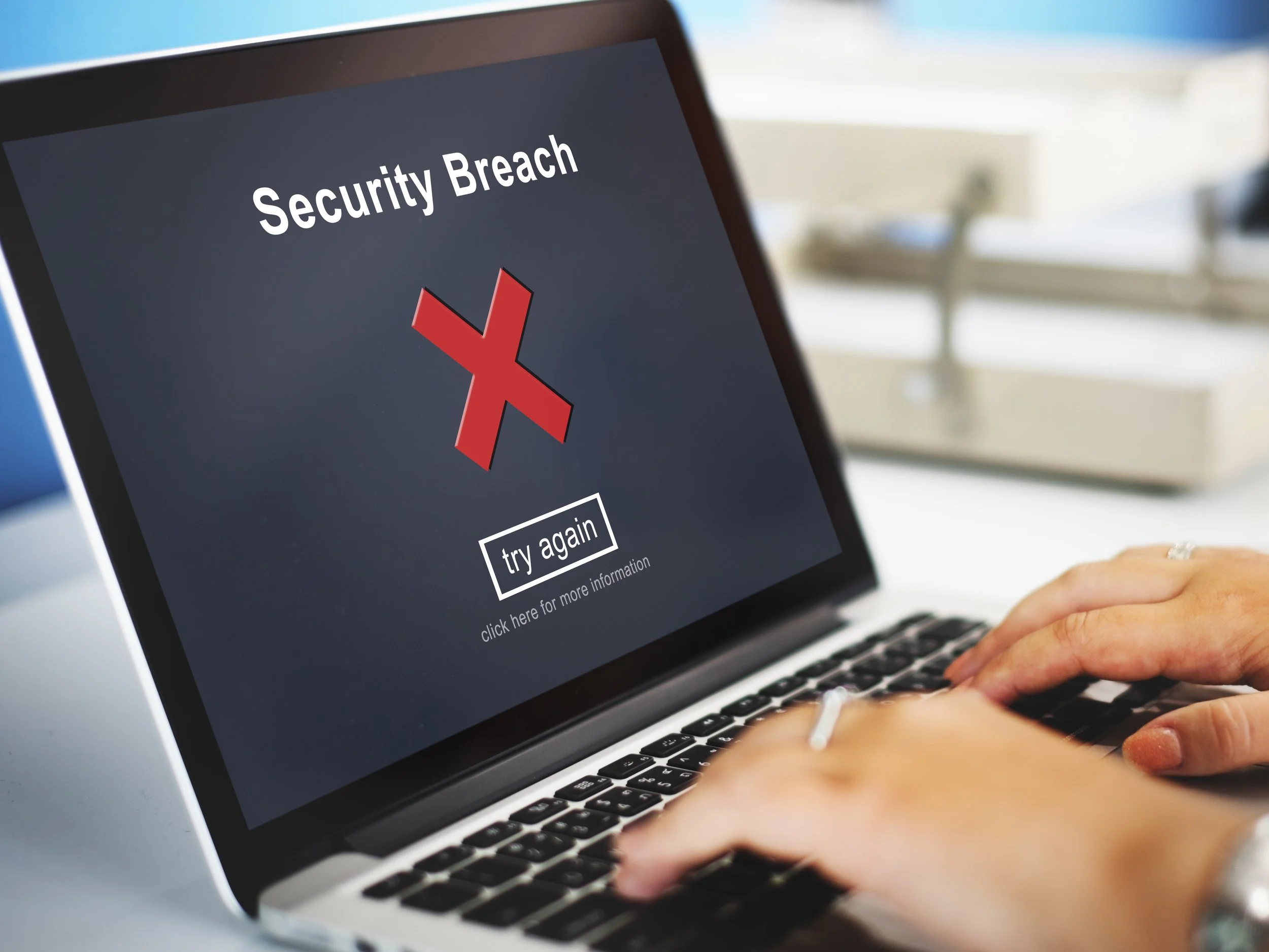
• Personal data and account security: Online stores or payment platforms are hacked, and customer data is leaked; phishing websites trick you into logging into online banking or entering one-time passwords, resulting in the transfer of funds from your account
• Device and App Risks: Downloading fake apps or having malware on your device can attack your online banking/e-wallet and steal your funds while you are logging in
Is there insurance coverage in Hong Kong?
• Online shopping insurance: Covers online shopping items that are not delivered, delivered to the wrong address/incomplete, or severely delayed, as well as identity theft, unauthorized credit card/e-wallet transactions, etc. There are limits on the amount that can be paid for each incident and the annual compensation limit. For example, the maximum compensation for online shopping items is about NT$30,000. There is a separate compensation limit for unauthorized transactions. At the same time, it usually requires a police report record
• E-wallet/stored-value payment instrument protection: Insurance companies specifically protect you against unauthorized transactions caused by identity theft within a certain period before you report the loss of a stored-value payment instrument (such as certain e-wallets) licensed by the Hong Kong Monetary Authority. There are limits on each incident and each year, such as the "maximum per incident" and "maximum per year" specified in the policy. Usually, only losses within 15 days before the loss are reported are compensated
• Credit card protection: Although it is not considered an "insurance product", most credit cards can be exempted from or have their liability reduced if there are unauthorized transactions, as long as you notify the bank as soon as possible and cooperate with the investigation. Therefore, the risk of using credit cards for online shopping is usually faster/lower than direct FPS transfers or bank transfers
Major Uninsured Matters
• Voluntary transfers to scammers will mostly be listed as "voluntary transactions" and therefore not covered by insurance, or require police reports or proof of fraud before the case can be processed
• If you are seriously negligent, such as revealing your bank password, leaving your phone unlocked for a long time, or giving your one-time password directly to a stranger, the insurance company may refuse to pay compensation on the grounds of "failure to fulfill reasonable preventive responsibilities"
Practical advice: How to reduce risk and make good use of insurance
· Payment options: When shopping online, try to use platforms with buyer protection/refund mechanisms (such as the "transaction protection" built into large platforms) plus a credit card to avoid direct FPS/bank deposits with strangers, especially for high-value items
· Device security: The mobile phone must be equipped with an unlock password + biometric authentication, and the e-wallet/banking app must have two-step verification. Do not install apps from unknown sources at will, or log in to the bank/e-wallet by pressing links from unknown sources
• Immediate action after an incident: If you suspect you have been scammed or that a transaction was made without your authorization, report it to the police as soon as possible and notify your bank/payment platform to freeze your account. If necessary, you can apply for a freezing order through a lawyer to recover your funds
Purchase suitable insurance products
In summary, online shopping and e-money represent a balance between convenience and risk. While enjoying the convenience, a basic awareness of risk is essential. Only by finding a balance between convenience and security can consumers truly enjoy the benefits of online shopping without suffering losses due to negligence. If you or your family members frequently shop online or use e-money and are looking for insurance coverage, AWM's insurance specialists can provide advice. For more information, please contact AWM