

[Hong Kong Car Maintenance Guide] Tips and Frequently Asked Questions on Maintaining Your Car's Best Condition
Owning a private car in Hong Kong is not only a convenience for transportation but also a long-term investment. However, maintaining a car's good condition isn't just about driving habits; regular maintenance and repairs are equally important. With the arrival of spring, humid weather and temperature fluctuations may pose additional challenges to your vehicle. Therefore, it's crucial to humbly approach car maintenance needs and pay attention to details. Whether you've just bought a new car or have been driving it for many years, mastering the basics of car maintenance will help keep your vehicle performing at its best, extend its lifespan, and reduce the chance of unexpected breakdowns
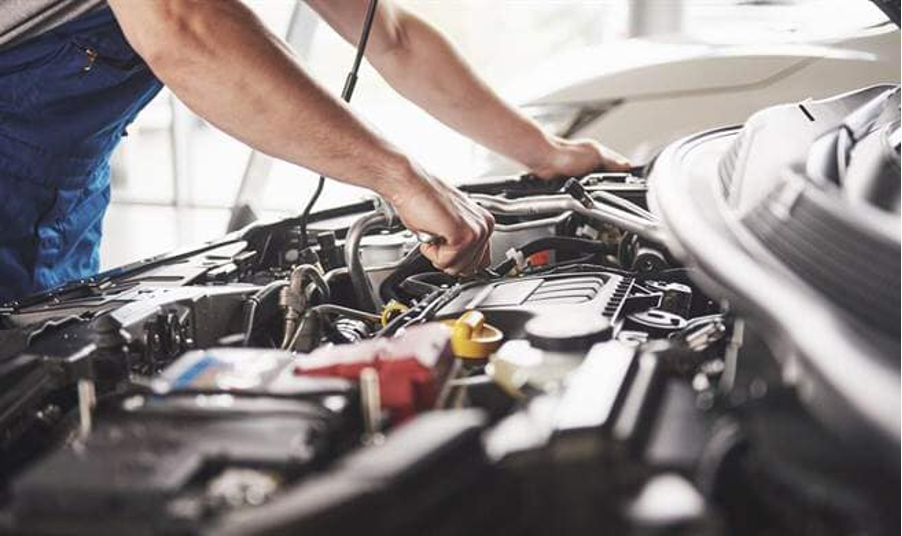
This guide provides a comprehensive overview of key aspects of car maintenance in Hong Kong, including basic upkeep, maintenance schedules, common problems, and related costs, helping you manage your vehicle with ease!
Why is car maintenance so important?
As a bustling metropolis, Hong Kong's vehicles frequently navigate congested roads, constantly facing stop-and-go traffic. The hot and humid weather can also affect the lifespan of vehicle parts. Therefore, regular car maintenance not only ensures safe driving but also effectively improves fuel efficiency and reduces maintenance costs
The main benefits of car maintenance:
Enhanced safety: Ensures brakes, tires, lights, and other equipment function properly, reducing driving risks.
Extended vehicle lifespan: Reduces parts aging and wear, decreasing the need for major repairs.
Improved fuel efficiency: Regularly changing engine oil and cleaning the engine can improve fuel efficiency and save costs.
Maintain vehicle value: A good maintenance record increases the resale value of a used car.
Avoid unexpected breakdowns: Reduce unexpected or repair costs caused by vehicle problems.

Basic matters of car maintenance in Hong Kong
1. Change the engine oil and oil filter regularly
Recommended frequency: Change every 5,000-10,000 kilometers or 6 months (depending on vehicle model and usage).
Function: Engine oil reduces engine friction and wear, ensuring smooth operation; the oil filter is responsible for filtering impurities and keeping the engine oil clean.
2. Inspect and replace the braking system
Recommended frequency: Check brake pads every 20,000 kilometers and replace them every 40,000 kilometers.
Purpose: The braking system is crucial for driving safety. Excessive wear of brake pads can affect braking performance and increase the risk of accidents.
3. Replace the coolant and inspect the water tank
Recommended frequency: Replace every 40,000 kilometers or 2 years.
Function: Coolant prevents the engine from overheating, while the water tank ensures the cooling system functions properly and avoids engine damage caused by excessive temperature.
4. Replace the spark plug
Recommended frequency: Replace every 50,000-100,000 kilometers (depending on vehicle model).
Function: Sparks are responsible for igniting fuel and affect engine efficiency. Worn sparks may lead to increased fuel consumption or poor acceleration.
5. Replace the air filter and air conditioner filter
Recommended frequency: Replace every 20,000 kilometers or 1 year.
Function: The air filter filters impurities in the air, improving engine combustion efficiency; the air conditioning filter ensures fresh air inside the cabin.
6. Tire maintenance and replacement
Recommended frequency: Check tire tread depth and tire pressure every 6 months, and replace tires every 40,000 kilometers.
Purpose: Insufficient tire pressure will affect fuel consumption and handling, while shallow tire tread may cause slippage, affecting driving safety.
7. Check the headlights and batteries
Recommended frequency: Check every 6 months. Car battery life is generally 2-4 years.
Function: Car lights are related to safety when driving at night and in rainy or foggy weather; if the battery ages, it may cause the car to fail to start.
Overview of Hong Kong car maintenance costs
Maintenance costs vary depending on the car model. Below is a general guideline for maintenance costs of private cars:
| Maintenance items | Approximate cost (Hong Kong dollars) | Recommended frequency |
|---|---|---|
| Change engine oil and oil filter | $600 - $1,500 | 5,000 - 10,000 km |
| Replace brake pads | $1,500 - $3,000 | 20,000 km |
| Replace the coolant | $500 - $1,200 | 40,000 km |
| Replace the spark plug | $800 - $2,000 | 50,000 - 100,000 km |
| Replace the air filter | $200 - $800 | 20,000 km |
| Replace each tire | $800 - $2,500 | 40,000 km |
| Replace the battery | $800 - $2,500 | 2-4 years |
The prices above are approximate and for reference only. The actual cost will depend on the vehicle brand, model, and dealership's quote

How to choose the right car maintenance service?
In Hong Kong, there are many car dealerships and repair centers that offer car maintenance services. Here are some factors to consider when choosing a dealership:
Reputation and Reviews: Choose a reputable dealership to avoid unnecessary extra charges.
Professional Certification: Verify that the dealership's technicians have professional repair qualifications, such as VTC automotive mechanic certification.
Clear Pricing: Ask for a quote before any service to avoid hidden fees.
Genuine vs. Aftermarket Parts: While genuine parts are more expensive, their quality and durability are more guaranteed.
Frequently Asked Questions about Car Maintenance (Q&A)
Q1: How often should I get my car serviced? Generally, a basic service is recommended every 6 months or 10,000 kilometers , but you can refer to the car manufacturer's recommendations for specific situations
Q2: What are the consequences of not maintaining your engine regularly?
It may lead to carbon buildup in the engine, increased fuel consumption, or even serious damage, increasing maintenance costs.
Q3: Does a new car need maintenance?
Even a new car should be inspected regularly according to mileage to ensure that all parts are in optimal condition.
Q4: Do electric vehicles need maintenance?
Although electric vehicles do not require oil changes, it is still necessary to check the battery condition, tires, and braking system to ensure driving safety.
Conclusion
Whether you're a new driver or an experienced one, regular car maintenance is key to keeping your vehicle in top condition. Good maintenance habits not only improve safety but also make your driving smoother and more worry-free! If you're planning to insure or upgrade your car's insurance plan, remember to choose the right car insuranceto ensure your driving safety 🚗💨!
Want to learn more about car insurance? Feel freeto contact us!