

[Blind Spot Driving Dangers] 5 High-Risk Groups + 7 Prevention Techniques | A Must-Read for Hong Kong Car Owners
Driving in Hong Kong, a city with congested roads and heavy traffic, requires drivers to not only focus on the road conditions in front of them but also to be wary of the potential risks posed by "blind spots." A blind spot refers to a visual area that a driver cannot see even when using rearview and side mirrors. Many traffic accidents occur because drivers ignore blind spots and fail to see surrounding vehicles or pedestrians when turning, changing lanes, or reversing
This article will provide an in-depth explanation of the risks, causes, and prevention methods of blind spot driving, helping car owners raise their safety awareness and reduce the chances of accidents
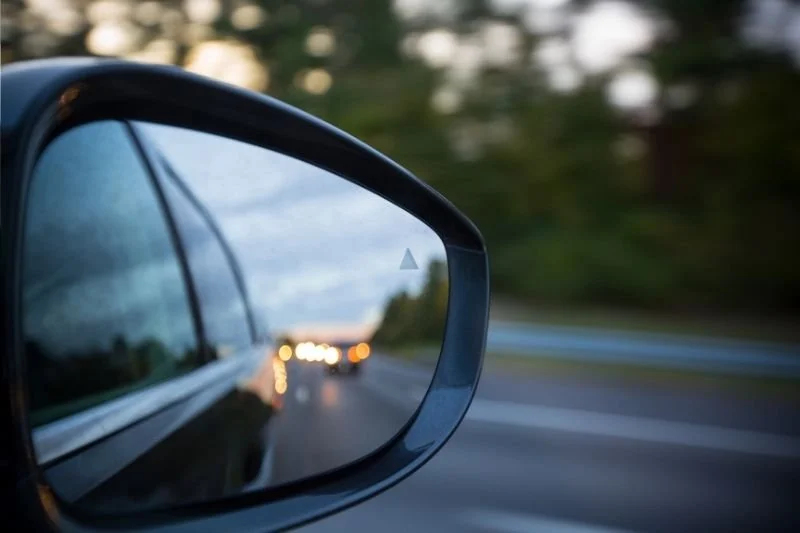
What is "blind spot driving"?
"Blind spot driving" refers to a situation where a driver, in a normal sitting position, is unable to observe a specific area even with the use of rearview or side mirrors, thus missing vehicles, pedestrians, or obstacles outside their line of sight
These blind spots are commonly found in:
• The side and rear of the vehicle (especially when changing lanes)
• When reversing, the rear of the car is below
• The C-pillar position of tall vehicles such as SUVs and trucks
If these situations are not handled properly, they could lead to collisions or even serious injuries or deaths
Why is blind spot driving particularly common in Hong Kong?
1. Narrow road space: The road surface in Hong Kong's urban area is complex, with frequent turns and lane changes, which can easily create blind spots.
2. Diverse traffic participants: Bicycles, motorcycles and pedestrians share the road, increasing the possibility of blind spots.
3. Unpredictable weather: Rainy days, foggy days and other bad weather can affect the driver's vision, making the already limited field of vision even more obstructed.
Five categories of people at high risk of blind spot driving
Among those driving in blind spots, the following five types of road users are most vulnerable:
1. Bicycle users: Due to the small size of the bicycle, they often appear in blind spots on the side and rear of the vehicle.
2. Motorcycle riders: They change lanes quickly and can easily enter blind spots in an instant.
3. Pedestrians: Entering blind spots when turning corners or crossing the road.
4. Families with children and strollers: They are shorter and harder to spot, especially when parking or reversing.
5. Cars driving parallel to each other for extended periods: If the driver is not alert, it can easily lead to a side collision.
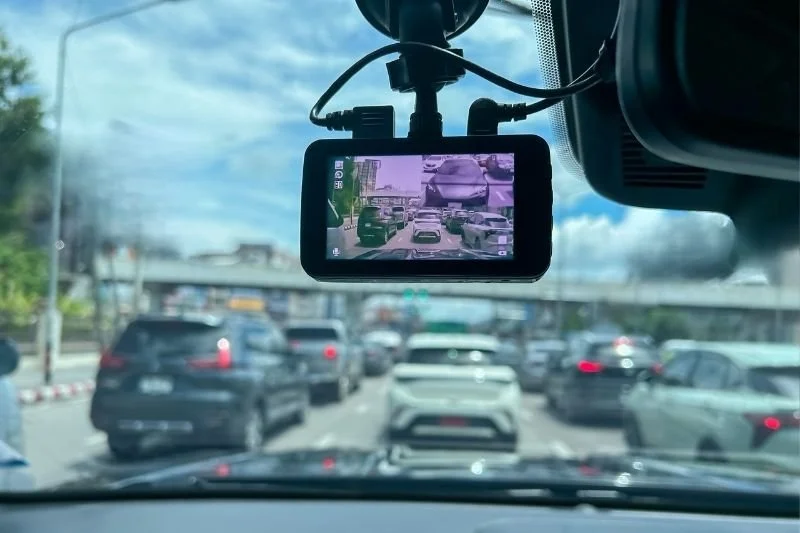
7 Tips for Avoiding Blind Spots While Driving
1. Adjust the angles of the rearview mirror and side mirrors
to ensure that the field of view is as large as possible.
2. Install blind spot assist mirrors or detection systems.
Modern cars are generally equipped with warning systems, and additional installation is also an option.
3. Before turning or tangenting, look back to check for
obstructions without relying on a mirror. Instead, look over your shoulder to confirm there are no obstacles.
4. Avoid driving alongside other vehicles for extended periods;
maintain a safe distance to allow for emergency response time.
5. Regularly clean your car windows and mirrors.
A clear mirror ensures you can accurately judge what's behind you.
6. Be extra careful in bad weather.
When visibility is obstructed, slow down and observe more closely.
7. Pay special attention to the fact that blind spots are more likely to occur in narrow spaces such as residential areas, school zones, or parking lots
. You should check your surroundings slowly and from multiple angles.
Further information: Is blind spot driving related to car insurance?
Many drivers are unaware that if an accident is caused by a blind spot, and the insurance company deems it a preventable human error, it may affect the compensation process or even result in the insurance company refusing to pay compensation
Therefore, developing correct driving habits and reducing blind spot risks are not only crucial for ensuring life safety, but also for protecting insurance benefits
Conclusion: Even the smallest blind spot can lead to a major risk
Although blind spots cannot be completely eliminated, as long as drivers understand the risks and take proactive preventative measures, the chances of accidents can be significantly reduced
📌 Whether you are a new driver who has just obtained your license or a seasoned driver, you should understand the potential dangers of "blind spot driving." Be vigilant and ensure that every turn and lane change is a safe choice