

2025 Electric Vehicle Battery Types Revealed and Maintenance Tips
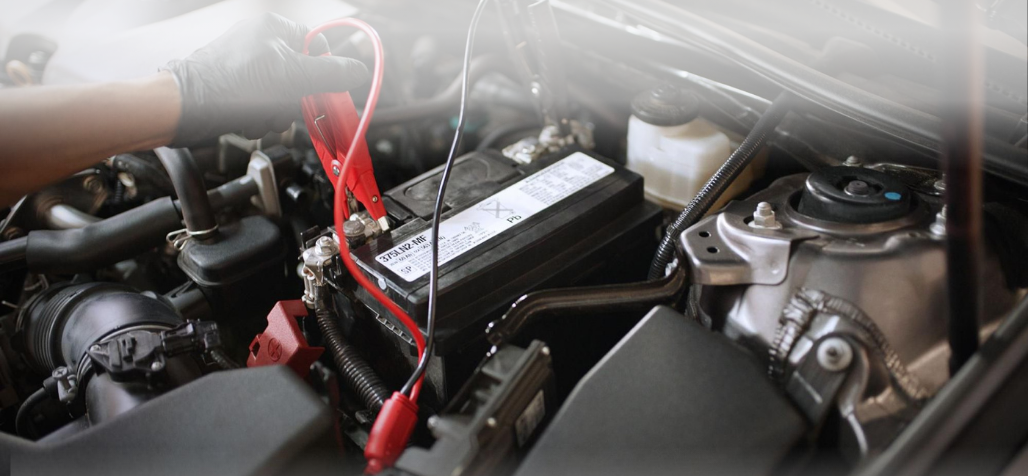
As electric vehicles (EVs) continue to gain popularity, batteries, as a core component, directly impact the owner's experience and operating costs due to their performance, safety, and lifespan. The EV battery market in 2025 is showing a diversified development trend. This article will detail the mainstream battery types, their respective advantages and disadvantages, and share practical charging tips to help you fully understand and maintain your battery, improving vehicle performance
Mainstream battery types
Lithium-ion Battery
Lithium-ion batteries have high energy density and high voltage, are lightweight, and are currently standard equipment in most electric vehicles. They charge quickly and have long driving range
Advantages: High energy density and light weight, which helps improve vehicle range and performance
Disadvantages: Sensitive to temperature; overheating may pose a safety risk, requiring a sophisticated battery management and cooling system. Extreme temperatures will reduce battery efficiency and lifespan

Lithium iron phosphate batteries - blade batteries (LFP)
These batteries are known for their safety and stability, are not easily flammable, have a long lifespan, and are highly durable, but their energy density is slightly lower, resulting in a slightly shorter driving range. They are often used in entry-level and safety-priority vehicles and are a common battery type in some models of Chinese brands such as BYD and Tesla
Advantages: High safety, long lifespan, lower cost, suitable for users who value durability and safety
Disadvantages: Low energy density and slightly shorter driving range
Applicable to: entry-level and value-oriented vehicles, and some vehicles with high safety requirements

Lithium polymer battery (Li-Po)
Made with gel-like electrolytes, it is flexible, thin, and lightweight with high energy density, making it suitable for high-performance vehicles. However, its manufacturing cost is relatively high, limiting its applications
Advantages: Small size, light weight, and high energy density, making it suitable for vehicles with higher performance requirements
Disadvantages: Higher cost and more complex manufacturing process
Applications: High-performance electric vehicles and special applications
Lead-acid battery
Features: Mature technology and low price, but large size, heavy weight, and short service life
Advantages: Low cost and simple manufacturing process
Disadvantages: Low battery life, poor efficiency, and insufficient durability; it is gradually being replaced by lithium batteries
Suitable for: short-distance commuter vehicles or low-cost electric vehicles
Graphene Composite Battery
An upgraded version of lead-acid batteries, incorporating graphene to improve conductivity and charging efficiency, supporting fast charging and offering durability. However, it is more expensive and still under development
Advantages: Long lifespan, high reliability, and fast charging speed
Disadvantages: R&D and production costs are relatively high, and it is still in the development and promotion stage
Applicable to: Some emerging technology electric vehicles and fast charging applications
When should I consider replacing the battery? How does the cost of replacement compare to repair?
When the battery capacity drops to about 80% of its original level, significantly affecting battery life or causing abnormal conditions, the battery should be evaluated for replacement
Typical lithium batteries have a lifespan of about 8 to 12 years, or 160,000 to 600,000 kilometers. Brands like Tesla can maintain over 85% capacity for about 10 years. Good charging habits and daily maintenance can extend their lifespan and avoid frequent replacements
As for cost, battery replacement typically costs tens of thousands to hundreds of thousands of Hong Kong dollars, which is higher than the general maintenance costs of a traditional car engine. However, electric vehicles have a simple structure, low routine maintenance and low failure rate, resulting in lower overall maintenance costs than gasoline vehicles. In addition, the emerging battery swapping station model can effectively reduce the inconvenience and cost of battery replacement
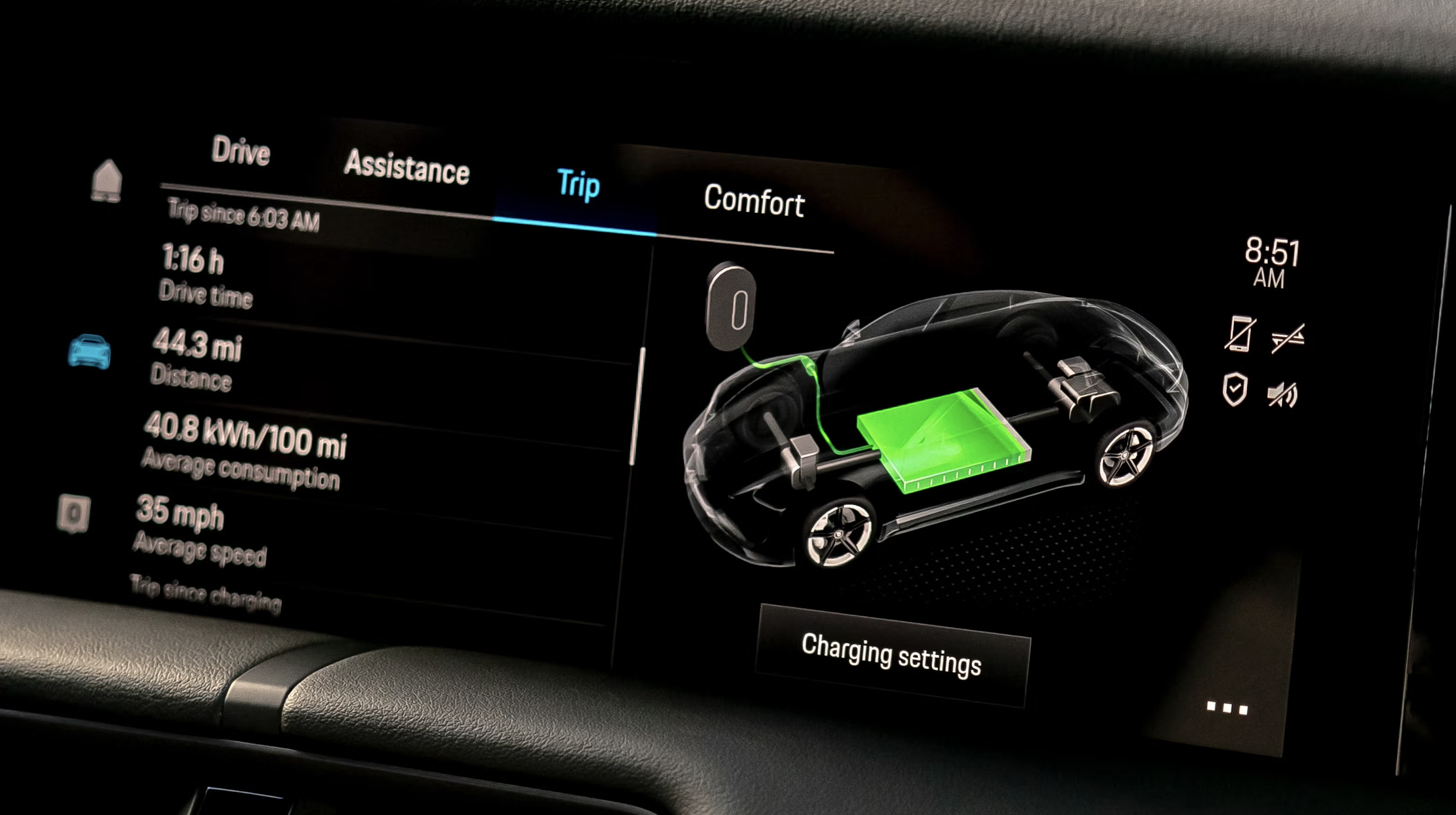
In other words, although battery replacement costs are high, the overall maintenance costs of electric vehicles are still competitive. Considering lifespan and maintenance, they are a worthwhile green transportation option to invest in
Battery maintenance and usage tips
To avoid extreme battery levels
, it is not recommended to charge the battery to 100% or discharge it to 0% for extended periods, as rapid charging and discharging will accelerate battery degradation. It is recommended to maintain the battery level between 20% and 80% daily, which can significantly extend the battery's effective lifespan.
Choosing the right charging method is important.
Slow charging is gentler and helps maintain the battery's good condition; while fast charging is convenient, frequent use can accelerate battery aging. It is recommended to use slow charging as the primary method and fast charging only when necessary.
Charging environment and temperature management:
High or extremely cold environments can affect charging efficiency and battery life. It is recommended to charge indoors or in a well-shaded place. If it is too cold, you can consider activating the vehicle's battery preheating function.
Regularly check the battery health status.
Many electric vehicles provide battery health reports, which owners can regularly check the capacity maintenance rate and cycle count to detect abnormalities early and maintain or adjust their usage habits in a timely manner.

AWM provides quotes from over 65 insurance companies
As electric vehicles become a major market trend,many car owners find that renewal premiums often rise sharply in the second year after purchasing one. AWM specially provides second-year renewal quotation services to help you compare multiple plans and find the most cost-effective option. A Tesla owner successfully transferred insurance through AWM, andthe renewal cost for the second year was 30% cheaper, which is a real savings! Want to know the most suitable renewal plan for you? Contact AWM immediately to enjoy professional and efficient quotation services.
