

Difference between coating and waxing | Essential maintenance knowledge for car owners explained

Car detailing and maintenance are increasingly valued these days. Whether you're a new car owner or a seasoned enthusiast, you're concerned about keeping your car looking its best. Among the most common choices are "car coating" and "waxing." However, many people ask: What's the difference between car coating and waxing? Which one is right for you? This article will delve into the differences, advantages, disadvantages, and applicable situations of car coating and waxing, as well as things to consider when choosing, to help you make the most suitable car detailing decision
During typhoon season, coating/waxing becomes even more important
Every summer, Hong Kong experiences numerous typhoons and torrential rains. During these storms, vehicles are easily damaged by flying sand, tree branches, and mud, and may even be corroded by acid rain and salt, causing accelerated paint aging or scratches. These extreme weather events not only bring a lot of dirt but also cause serious damage to the vehicle body
In these cases, the protective effects of coating and waxing are even more pronounced:
- The coatingeffectively resists acid rain and salt corrosion, reduces water stains and dirt adhesion, making the paint less susceptible to damage, and provides long-lasting protection, UV resistance, and stain resistance.
Waxing ofimmediate protection to the vehicle body. Although the protection lasts for a shorter period of time, it can reduce the erosion of dirt in the short term.
Practical tips: Car owners are advised to have their vehicles coated or waxed regularly before and after typhoon season, and to wash the car body as soon as possible after heavy rain to avoid mud, sand, and acid rain residue, thus extending the life of the paint. At the same time, remember to check for any damage to the coating or wax and perform timely maintenance to enhance the car's protective capabilities.
A Comparison of Coating and Waxing
What is coating?
Coating is an automotive detailing technique that uses chemical reactions or physical adhesion to apply a transparent protective film to the surface of a car body. Common materials include glass coating and ceramic coating, which can bond with the car paint to form a hard, wear-resistant, and oxidation-resistant protective layer
Key features and advantages/disadvantages of coating:
advantage:
Long-lasting protection: The effect can generally last from six months to several years, saving you from frequent maintenance
High-efficiency protection: Effectively resists the corrosive effects of ultraviolet rays, acid rain, bird droppings, etc
Stain and water resistant: The surface is hydrophobic, making it difficult for stains to adhere, and water droplets will slide off automatically, making cleaning easier
Increase gloss: Makes the car body brighter and smoother
Reduce fine scratches: Prevents minor scratches
Increase resale value: Keeping the item in good condition over a long period of time makes it easier to resell
shortcoming:
Higher cost: Professional coating requires a large initial investment
Construction takes time: the process is complex and requires specialized skills
Repair requires professional expertise: If damaged, it must be repaired by a professional

What is waxing?
Waxing is a traditional car detailing method that involves applying wax to the car's surface to form a protective film. Car waxes are divided into natural waxes (such as Brazilian palm wax) and synthetic waxes, which mainly enhance shine, waterproof the car, and reduce stain adhesion
Key features and advantages/disadvantages of waxing:
advantage:
Economical: Materials and tools are inexpensive and can be operated independently
Immediate results: Quickly enhances the shine of the vehicle body
Highly flexible: can be done anytime, without the need for a professional venue
Waterproof and stain-resistant: The wax coating allows water droplets to slide off, reducing stain adhesion
shortcoming:
Limited protection: The wax layer is thin and cannot withstand strong damage
Short lifespan: It generally only lasts for a few weeks to two or three months and requires frequent reapplication of wax
It is easily soluble when heated: it is easy to melt or be lost at high temperatures
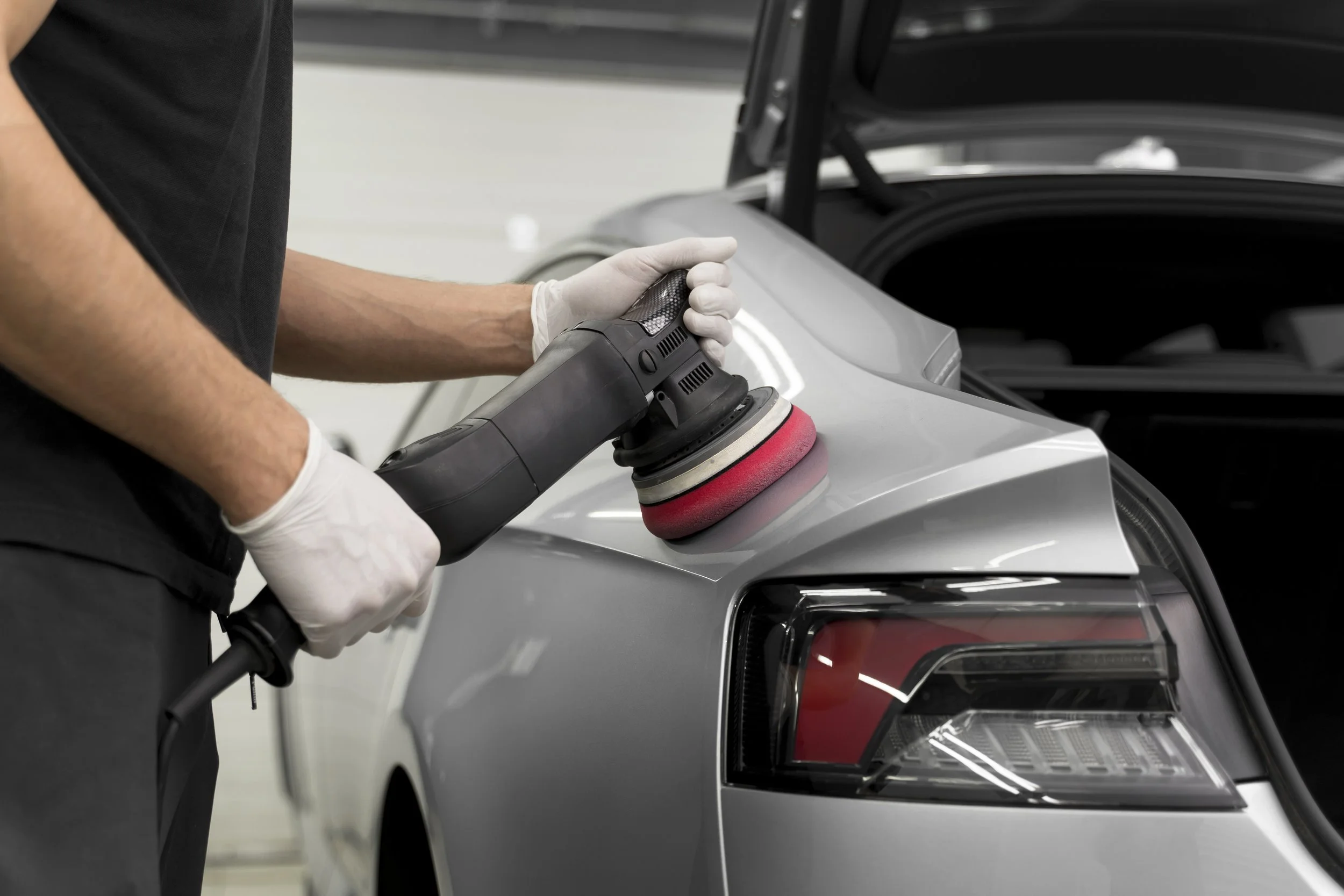
Comparison of applicable situations: Are you better suited for coating or waxing?
Suitable car owners for coating
- I want to keep the car's shine and look new for a long time
- If frequently parked outdoors, it needs to be protected from ultraviolet rays, acid rain, and other corrosive substances
- Too busy to wax my face often, I want to reduce the frequency of my treatments
- Intending to increase the value of used cars
Suitable car owners for waxing
- I enjoy DIY and taking the time to maintain my car
- Limited budget, pursuing economic efficiency
- Vehicles are mainly parked indoors, so they have lower requirements for protection against external corrosion
I enjoy regularly giving my car a "brand new" makeover

Brief introduction to coating and waxing process
Coating process
1. Thoroughly clean the car body: First, use car wash liquid to remove stains.
2. Remove oxide layer: Polish as needed to ensure a smooth surface.
3. Apply coating agent: Apply evenly and wait for it to bond with the car paint.
4. Curing and drying: Let stand for several hours to a day to allow the coating layer to stabilize completely.
Waxing process
1. Car wash: Clean the car body with car wash liquid.
2. Apply wax: Apply wax evenly using wax sponge or foam.
3. Wait for it to dry: Let it stand for a few minutes until the wax turns white.
4. Polishing: Wipe with a clean towel or polishing cloth until the car body is shiny.
How to choose the right car detailing solution for yourself?
The most important factor in choosing between coating and waxing is making a decision based on your needs, budget, time, and lifestyle. Here are a few factors to consider:
- Budget: If your budget allows, coating lasts longer; if you're looking for a more economical option, waxing is more suitable.
-Care time: If you don't have time to wax frequently, you can consider coating; if you like DIY, you can choose waxing.
- Parking environment: Coating is recommended for outdoor parking, and waxing is an option for indoor parking.
- Requirements for vehicle appearance: If you want the ultimate gloss, you can choose coating; if you just want to improve the appearance occasionally, you can wax it.
Maintenance Tips: Extend the Coating and Waxing Effects
• Regular cleaning: Whether you apply a coating or wax, keeping your car clean is very important.
• Avoid strong cleaners: Use products suitable for car detailing to avoid damaging the protective layer.
• Regular check-ups: Observe the condition of the protective layer and perform maintenance as needed.
• Avoid exposure to high temperatures and direct sunlight: Park in the shade as much as possible to reduce UV damage.
• Wash your car promptly after heavy rain or severe weather: After experiencing a typhoon, heavy rain, or being covered in a lot of mud and sand, you should wash your car body as soon as possible to avoid damage to the paint from residue.
Common Myths about Coating and Waxing
1. Do I need to wax my car after applying a protective coating?
Generally, the coating provides sufficient protection, and additional waxing is unnecessary. However, some car owners choose to add a layer of wax on top of the coating to enhance its shine, but it's important to choose a suitable wax to avoid affecting the coating's effect.
2. Will waxing damage the paint?
As long as you choose the right car wax and apply it correctly, waxing will not damage the paint. On the contrary, it provides a temporary protective layer, reducing external corrosion.
3. Can I apply a protective coating and wax at the same time?
Theoretically, yes, but it's generally not recommended to do so simultaneously. Because a protective layer has already been formed on the surface after coating, applying wax will only increase the maintenance process and may not necessarily provide a significant improvement.
4. Will the coating cause the car paint to change color?
Genuine coating products will not change the color of the car paint; on the contrary, they can prevent fading
5. How often should waxing be done?
It is recommended to use it once a month, but the actual frequency can be adjusted according to usage
6. Which is more durable, coating or waxing?
Coating is significantly more durable and can generally last for six months to several years; waxing, on the other hand, needs to be done every few weeks to several months
7. Is DIY coating feasible?
There are DIY coating products on the market, but the effect is different from that of professional coating. It is recommended to choose according to your personal needs and budget
Conclusion: There's a difference between coating and waxing; choose the skincare method that best suits you
Both coating and waxing have their advantages and disadvantages. Regardless of which method you choose, the most important thing is regular maintenance to keep your car clean and shiny. Hopefully, this sharing will help you better understand the differences between coating and waxing, allowing you to choose the most suitable detailing solution for your car and keep it in top condition for a long time!
AWM Wealth Management Limited specializes in local auto insurance and general commercial insurance services, committed to providing car owners with the most suitable and cost-effective protection plans. For inquiries, please contact an AWM insurance specialist. Our professional team is happy to answer all your auto insurance questions and assist with claims, allowing you to drive with peace of mind!
